

Wolf Conservation Center Blog
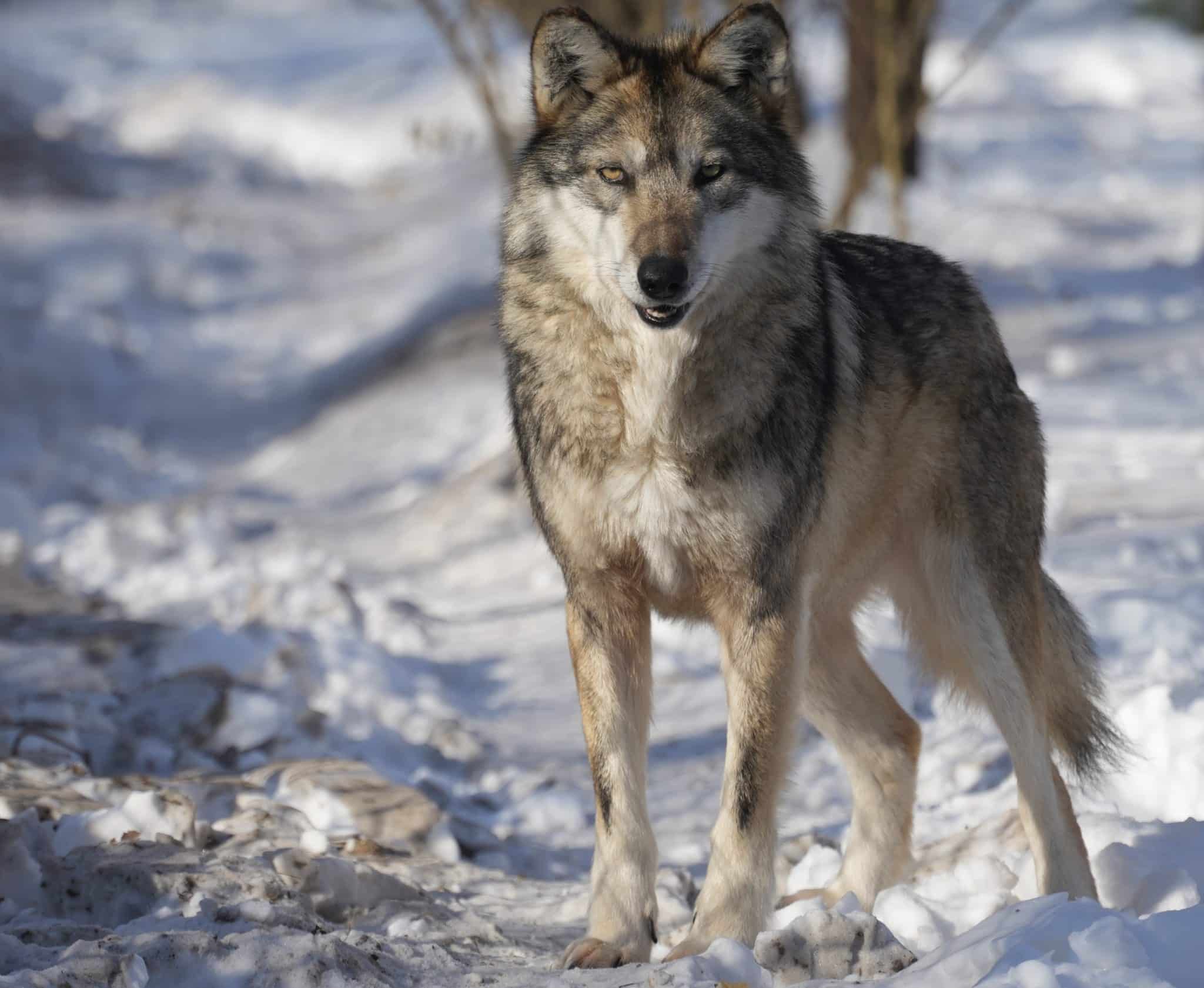
The Arizona Game and Fish Department and the New Mexico Game and Fish Department announced today that the number of Mexican gray wolves living across Arizona and New Mexico has increased from 286 in 2024 to 319 in 2025 (an increase of 33 wolves). There is an interesting “Catch 22” that comes along with this seemingly positive news that is associated with a problem with the current management protocols of the species. Genetic Diversity Waning As the Mexican gray wolf population grows in the wild, and efforts to introduce genetic diversity stagnate, it will become more challenging to improve the declining genetic diversity of the endangered species. In 2025, the mean kinship of the wild population, or measure of relatedness, was 0.2404; full siblings have a mean kinship of 0.25. The resumption of captive-to-wild releases of family groups, in addition to the pup fostering technique currently employed by the Mexican…
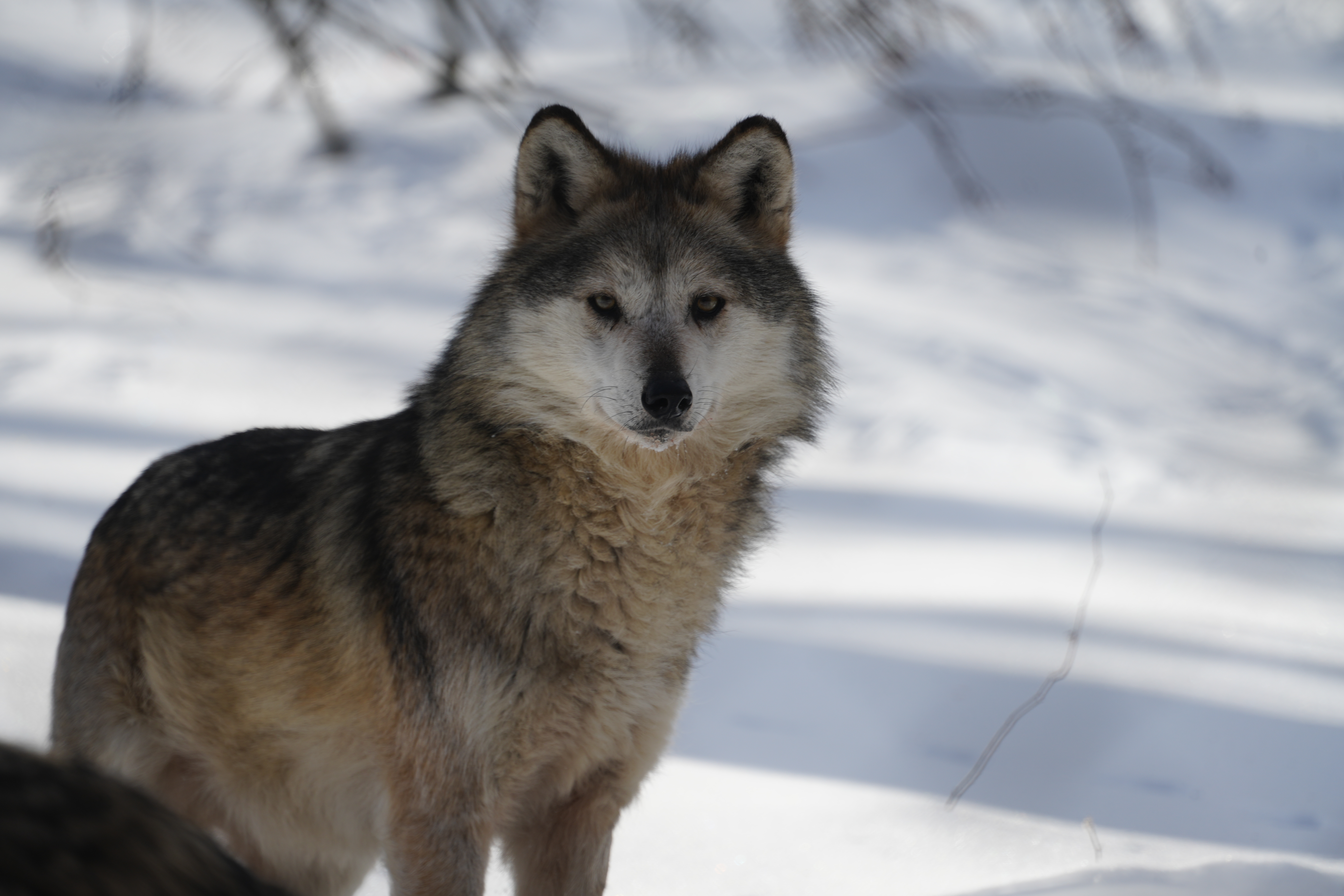
ALBUQUERQUE, N.M. – A newly revealed U.S. Fish and Wildlife Service document allows Catron County ranchers to kill any one endangered Mexican gray wolf who happens to be in the area of two grazing allotments near Quemado, New Mexico. The permit doesn’t identify which wolf the ranchers can shoot, nor does it specify livestock lost to wolves preceding this kill authorization. Several wolf families are in the area, including a likely pregnant, genetically valuable female wolf of the Elk Horn pack who was named Nora by the Endangered Wolf Center in Missouri before she was released into the Arizona wild as a pup in 2020. Nora is one of the 21% of genetically valuable captive-born pups known to have survived such releases without their birthparents. “The permit allows the permittees to kill any wolf they see on private or federal land, in retribution for alleged and undisclosed livestock losses. This…
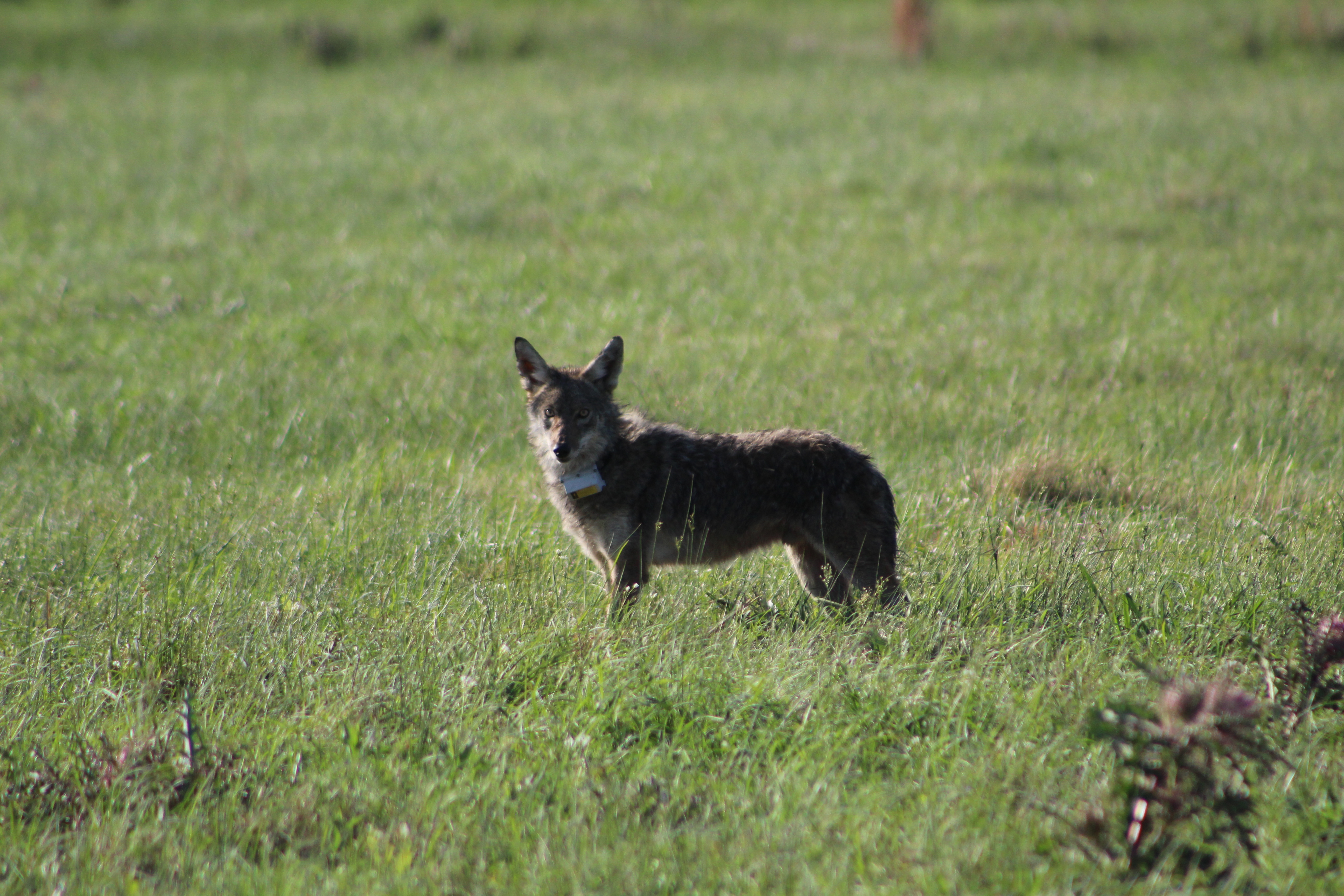
Distinct body form and high survival of coastal coyotes along the Texas-Louisiana border region allow coyotes harboring red wolf ancestry to persist decades after the red wolf’s extirpation from the region. South Salem, NY — A new study led by the Wolf Conservation Center Integrative Ecology and Coexistence Lab and published in Ecosphere reveals how red wolf ancestry has persisted for more than four decades after the red wolf was declared extirpated from the wild. The research shows that a combination of distinctive physical traits adapted to coastal wetlands and high survival has allowed coyotes to harbor, maintain, and pass on red wolf genetics. The study focused on hybrid-like coyotes referred to as “Gulf Coast canids,” living in coastal wetlands along the Gulf of Mexico that retained significant red wolf ancestry. Researchers found that these coastal coyotes form a stable, locally adapted wetland ecotype shaped by historical red wolf introgression…
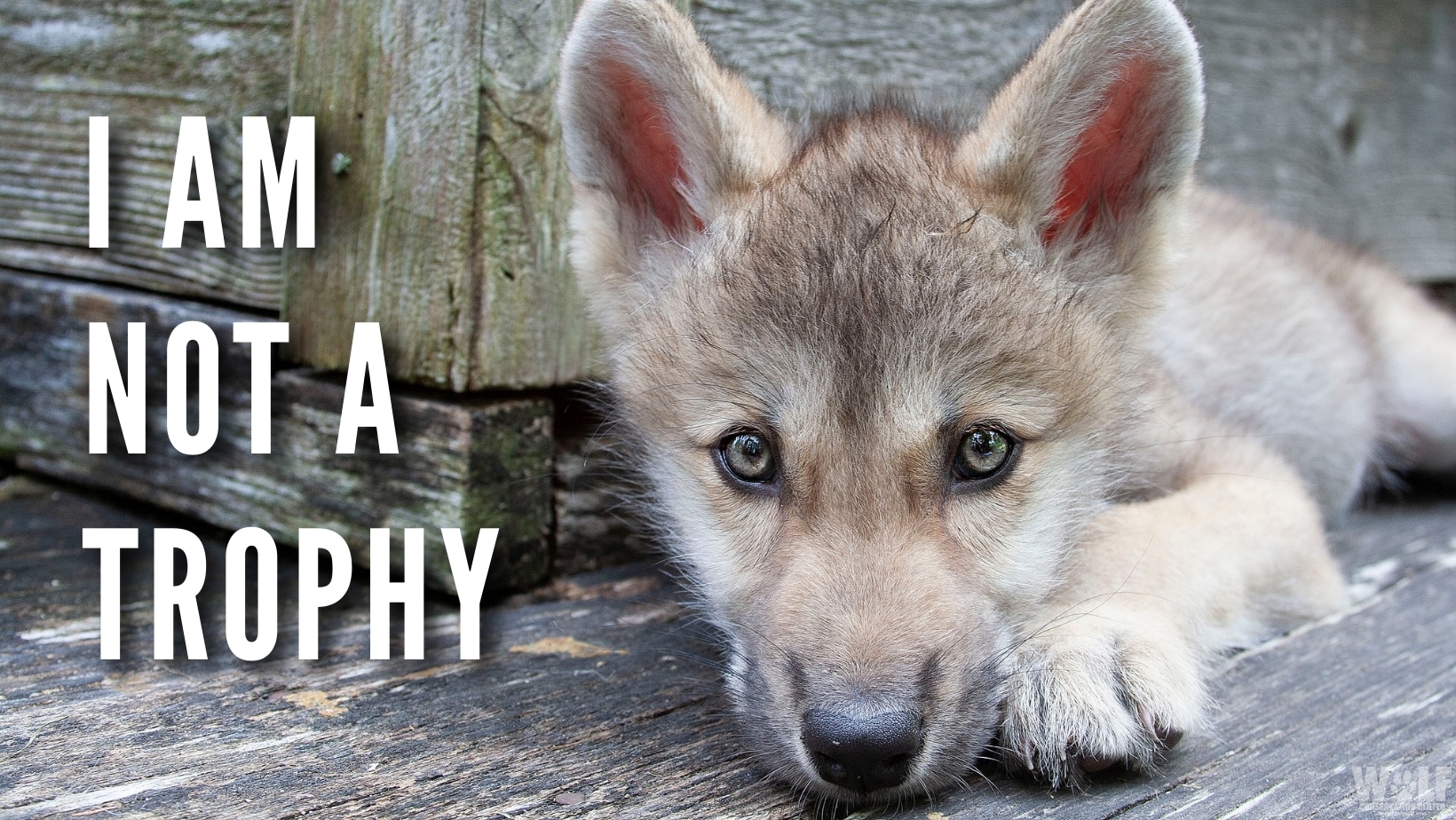
Take Action: Oppose Cruel Montana Wolf Hunting Regulations
Montana wildlife officials are proposing changes to the upcoming 2025/2026 wolf hunting and trapping season. The Fish, Wildlife, and Parks Department is accepting public comments on the proposals through August…

WCC is Learning the Power of AudioMoths
Listening to the Wild: How AudioMoths Are Helping Us Understand Gulf Coast Canids and Inform Red Wolf Recovery Over several days this past month, WCC’s Conservation Scientist Colleen O’Donnell found…

Meet Kinari: A Name as Bright as She Is
We’re so excited to officially introduce our newest ambassador pup: Kinari! Thank you to everyone who submitted and voted on names — your enthusiasm and thoughtful input helped us find…
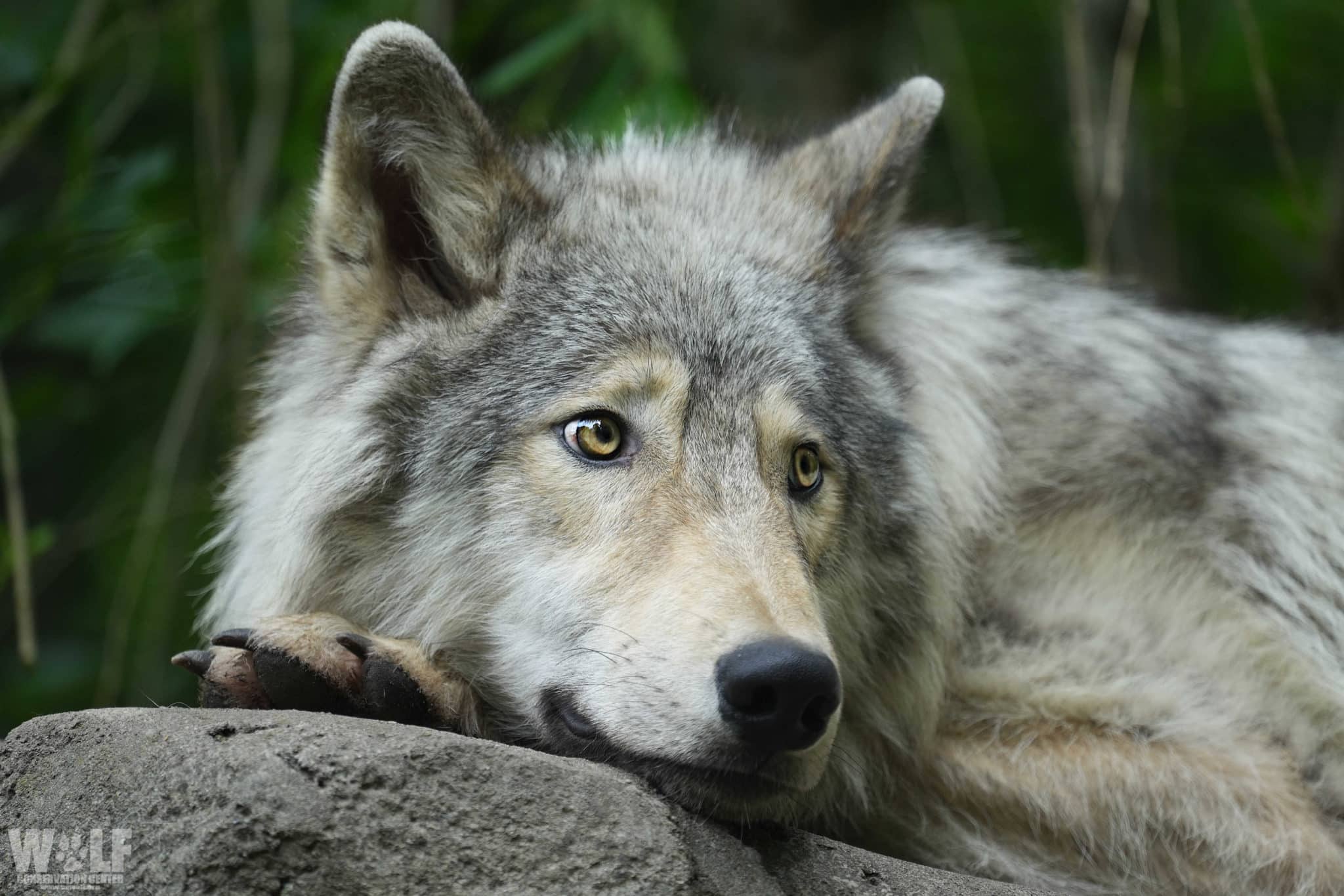
EU Bends to Political Pressure, Weakens Wolf Protections
Council of the European Union votes to change status of wolves from “strictly protected” to “protected,” opening the door to increased killing. The Council of the European Union voted Thursday…
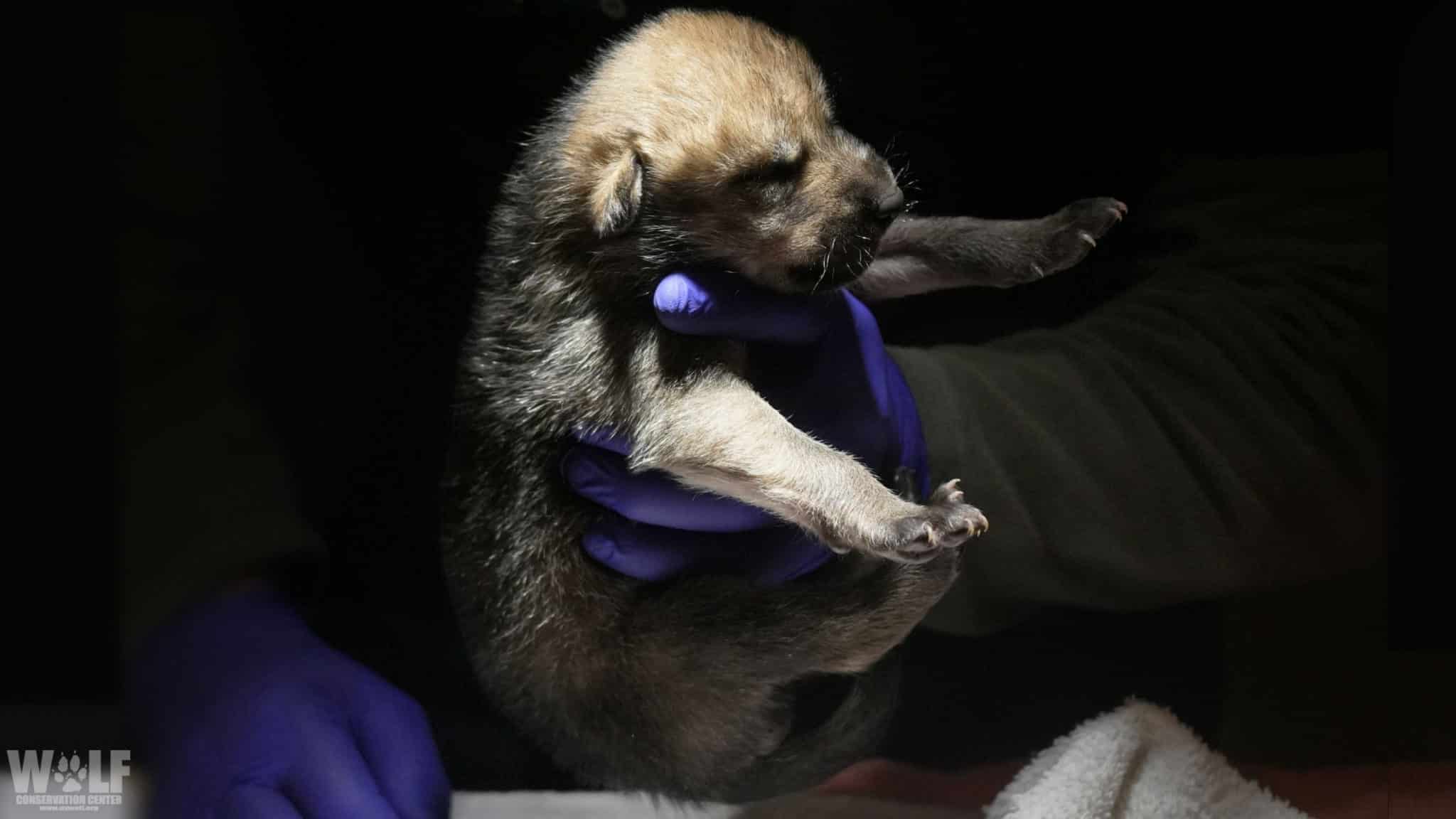
Endangered Wolf Pups Born in New York Fostered into Wild Dens in New Mexico
During the early morning hours of May 5, 2025, two of Mexican gray wolf Trumpet’s newborn pups left for an exciting adventure – the siblings were bound for the wild! …
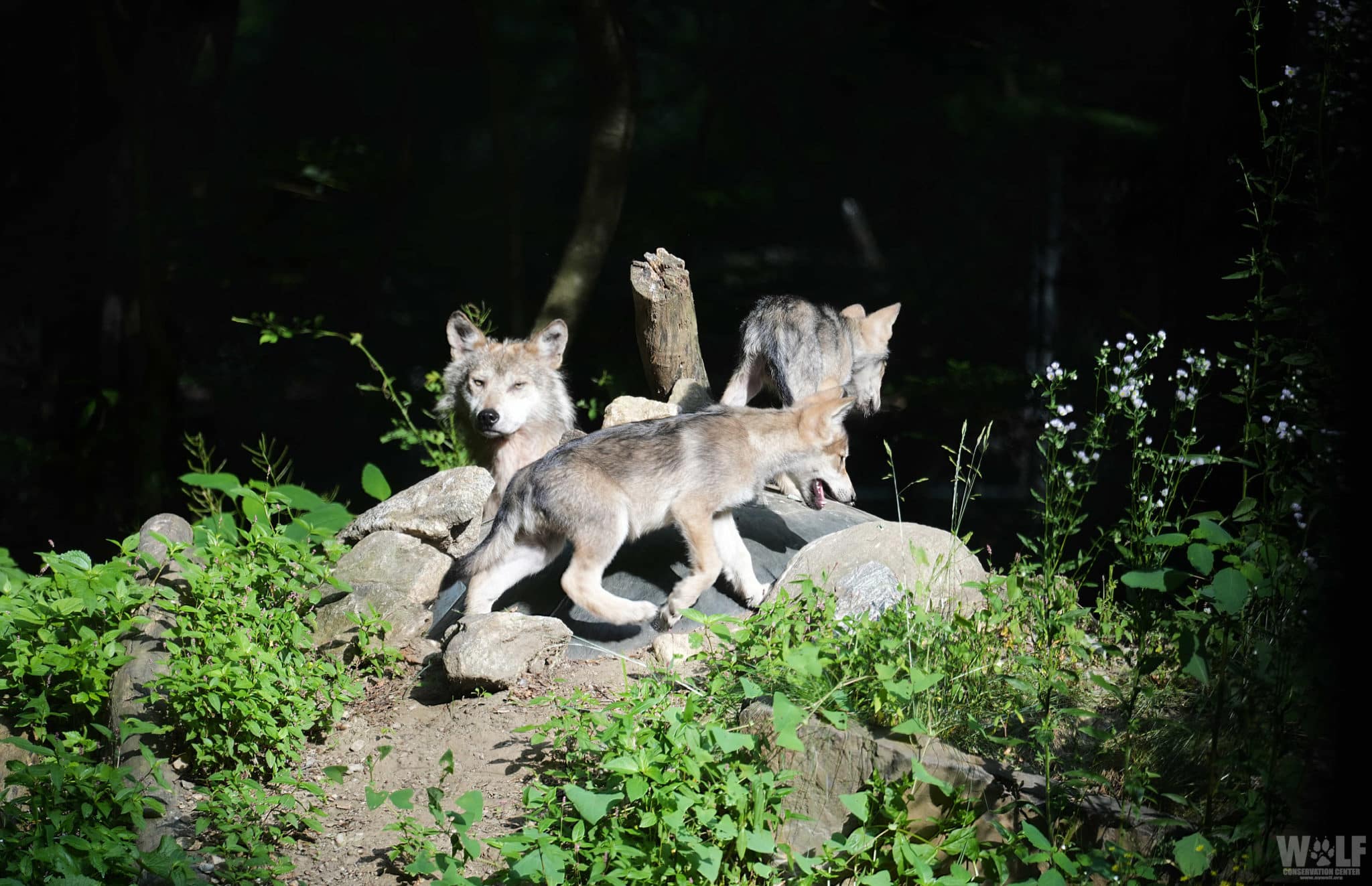
Conservation Groups Condemn Removal of Mexican Gray Wolves from Southeast Arizona
Media contacts: Greta Anderson, Western Watersheds Project (520) 623-1878; greta@westernwatersheds.org Claire Musser, Grand Canyon Wolf Recovery Project (928) 202-132; claire@gcwolfrecovery.org Sandy Bahr, Sierra Club – Grand Canyon Chapter (602) 999-570;…
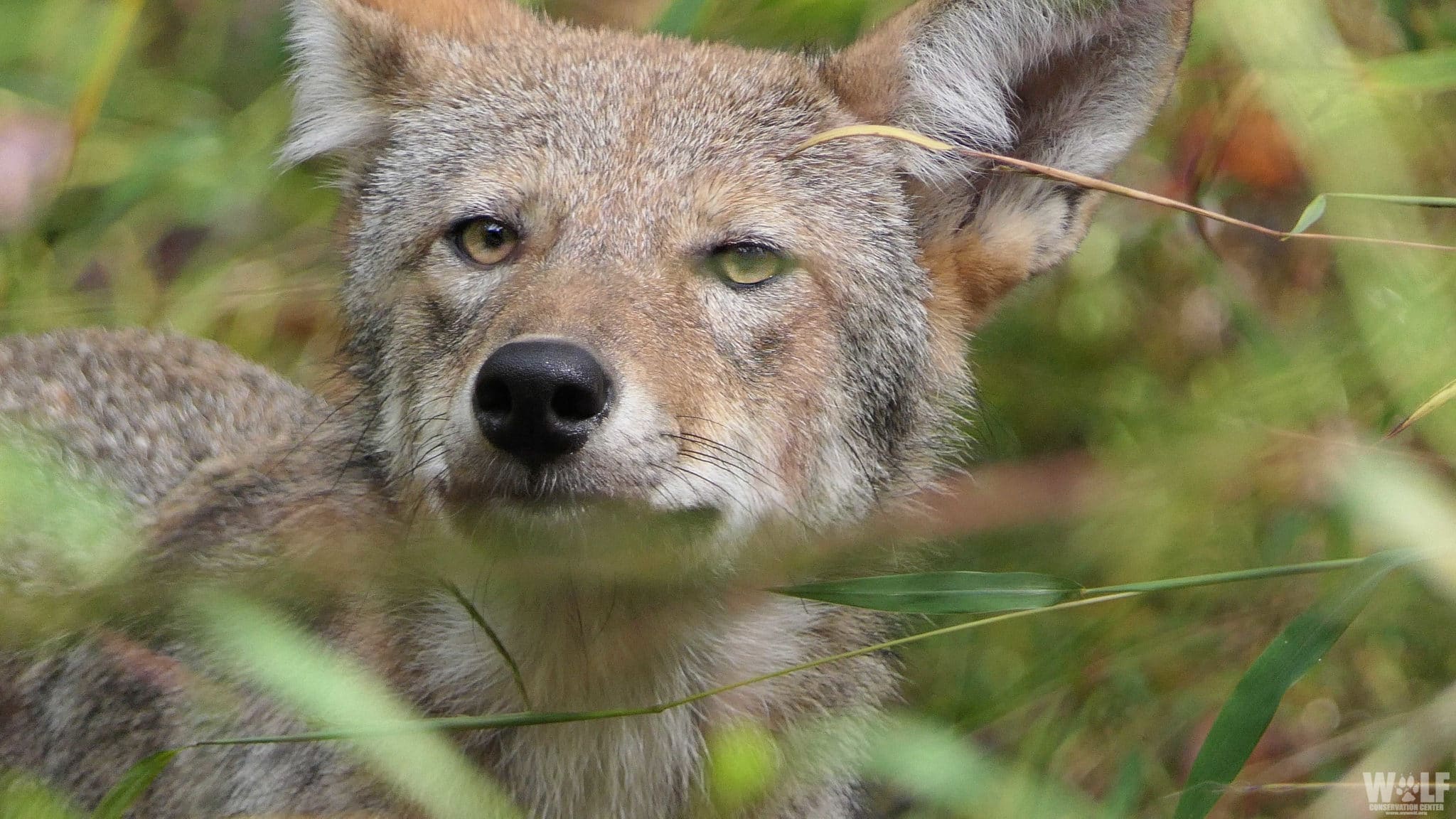
Trump Administration Proposes Rule that Would Destroy Endangered Species Habitat
The Trump administration announced a proposed rule on April 17 that would strip habitat protections for endangered species across the United States. The rule would change the definition of “harm”…
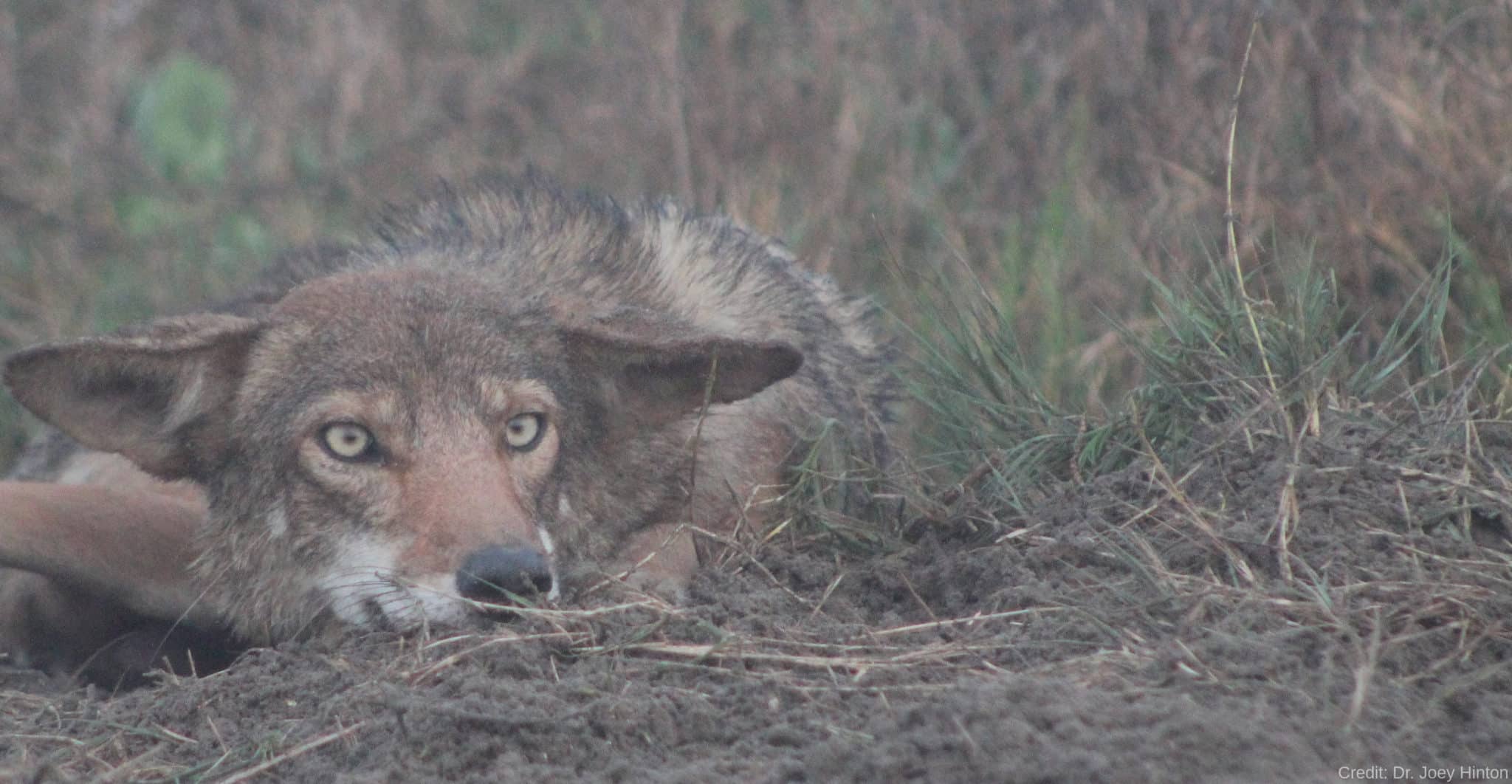
Meet the Gulf Coast Coyote Overlooked in the Colossal Headlines
On Wednesday, Scientific American published an article in which Colossal Biosciences continued its claim to have cloned red wolves and created new founder lines. This language is misleading, incorrect, and…
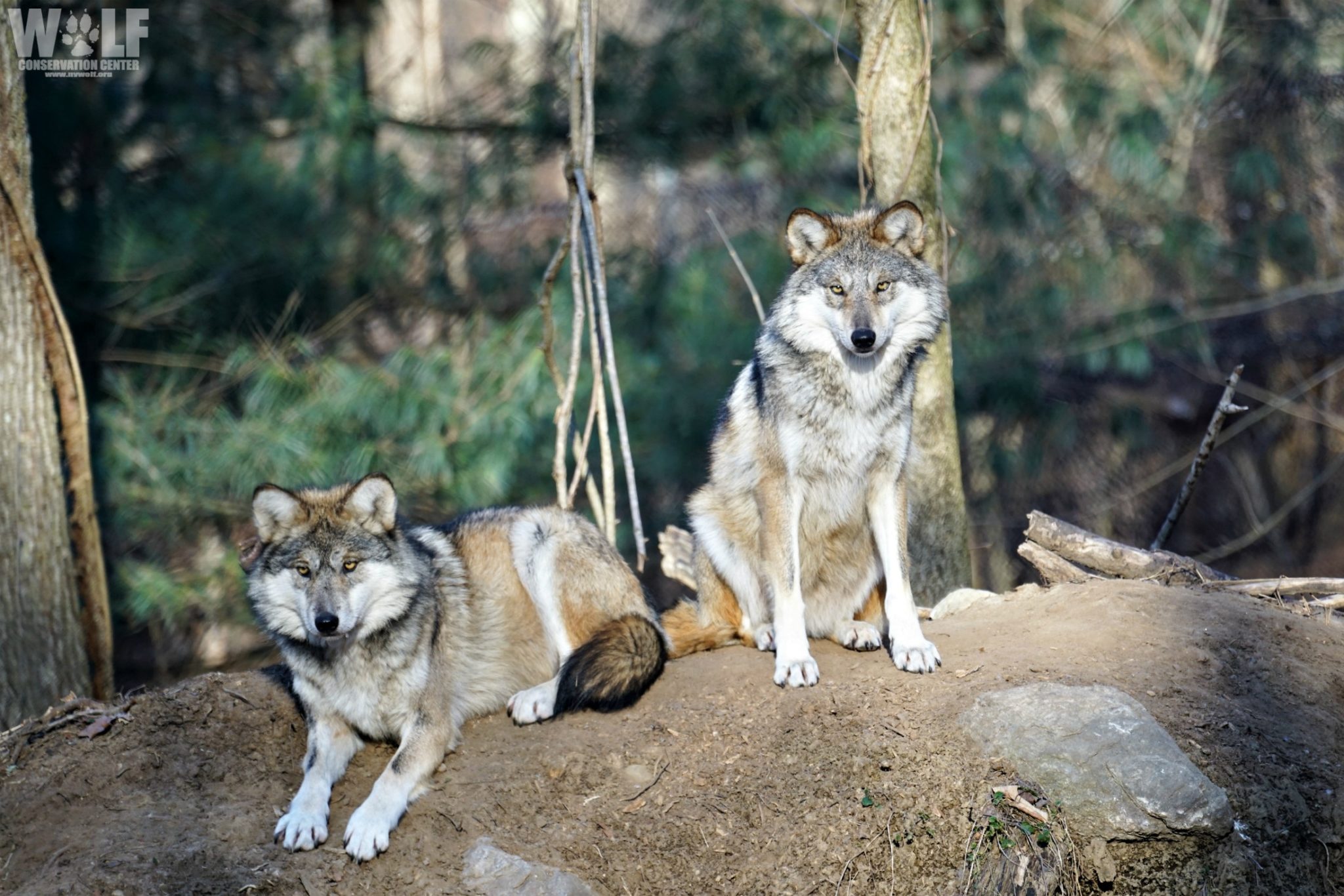
Mexican Gray Wolves Celebrate Wild Anniversary
Twenty-seven years ago today, 11 captive-reared Mexican gray wolves (“lobos”) were released to the wild for the first time in Arizona and New Mexico. Missing from the landscape for more…
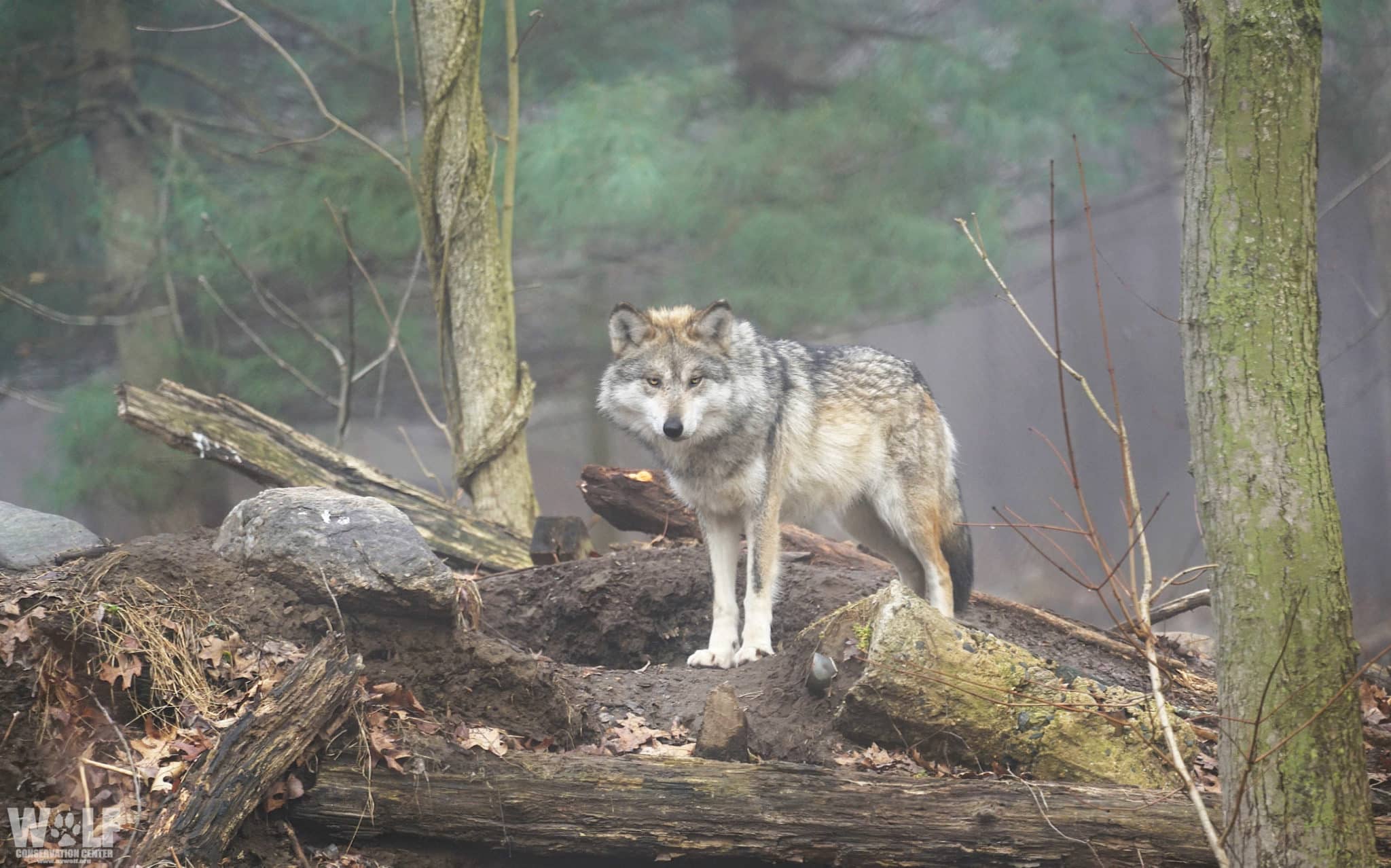
Another Mexican Gray Wolf Has Wandered North, and Conservationists are Celebrating Her Intrepid Roaming
Claire Musser, Grand Canyon Wolf Recovery Project, 928-202-1325 claire@gcwolfrecovery.org Nico Lorenzen, Wild Arizona, 520-289-0147, nico@wildarizona.org Jacqueline Covey, Defenders of Wildlife, 630-427-7164, jcovey@defenders.org Regan Downey, Wolf Conservation Center, 914-763-2373, regan@nywolf.org Greta Anderson, Western Watersheds Project,…
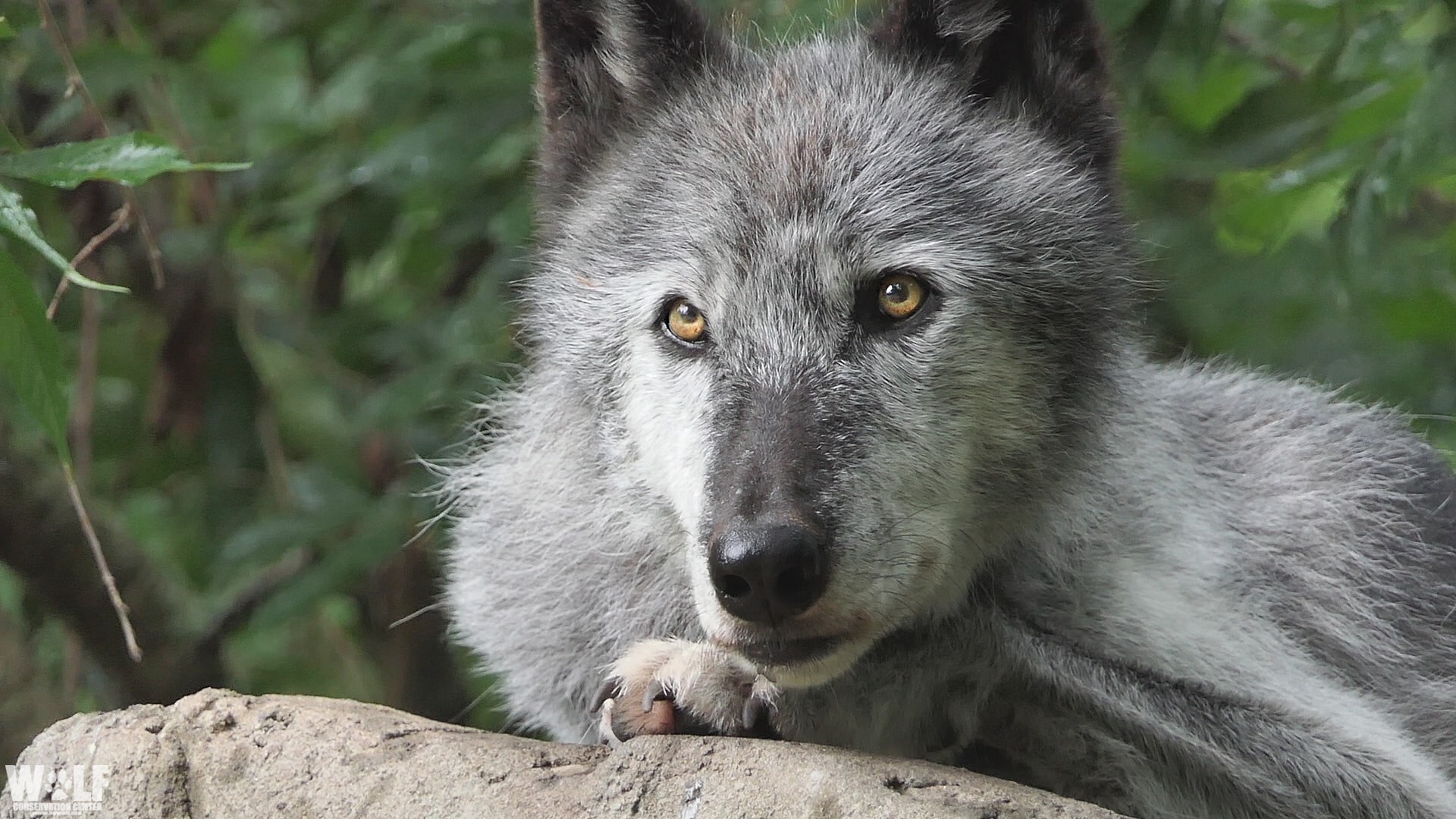
Conservation Groups Call on House Natural Resources Committee to Oppose Anti-Wolf, Anti-Wildlife Bills
A coalition of over 60 environmental organizations, including the Wolf Conservation Center, sent a joint letter to House Natural Resources Committee leadership urging them to vote against HR 845 and…
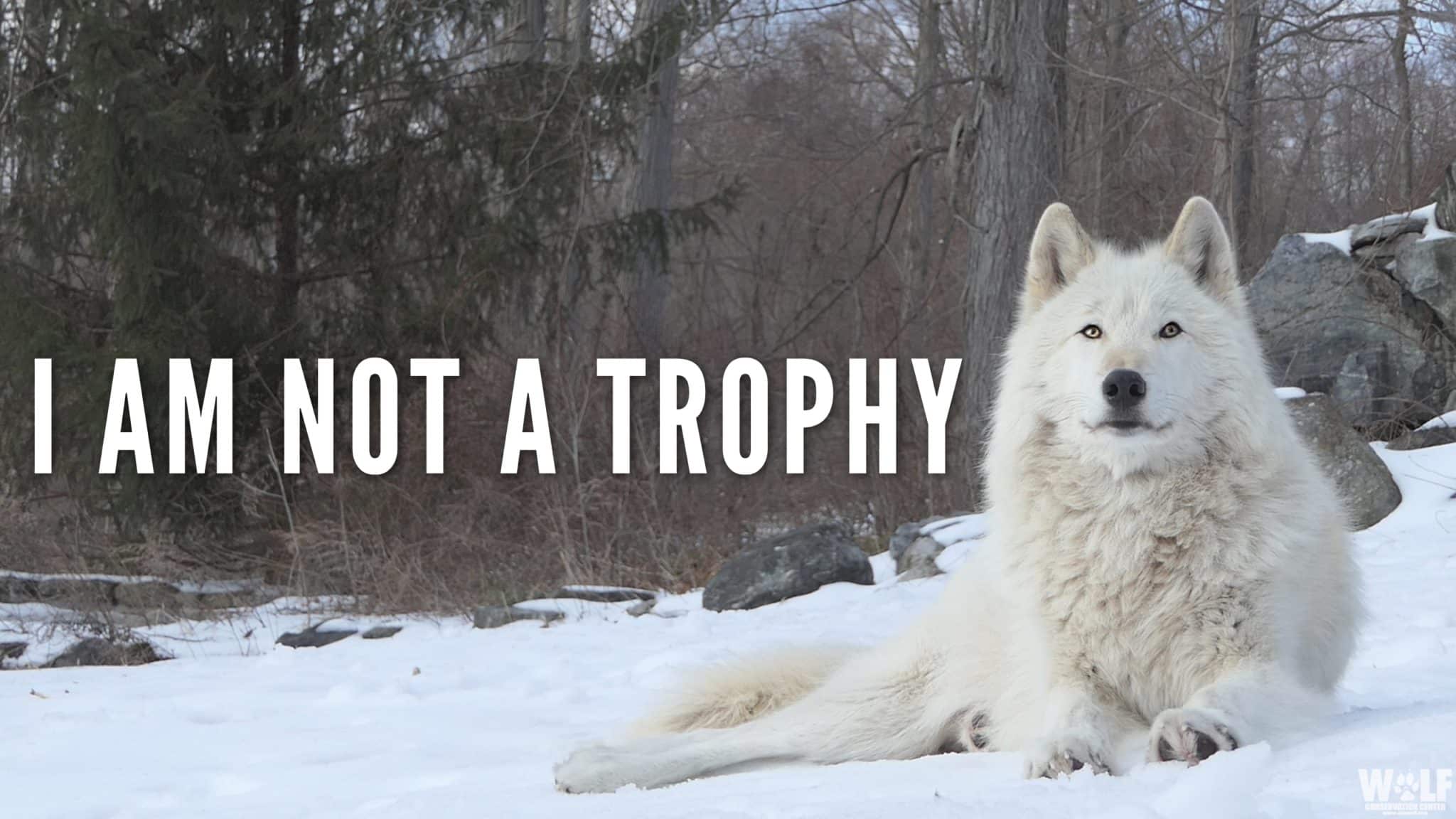
Montana Bill Would Allow Mass Slaughter of Wolves, Public Comment Needed
Montana’s legislative session is in full swing, and so are the anti-wolf, anti-science bills. On Thursday, January 30th at 3 pm MST, the House Fish, Wildlife & Parks committee will…