

Wolf Conservation Center Press Releases
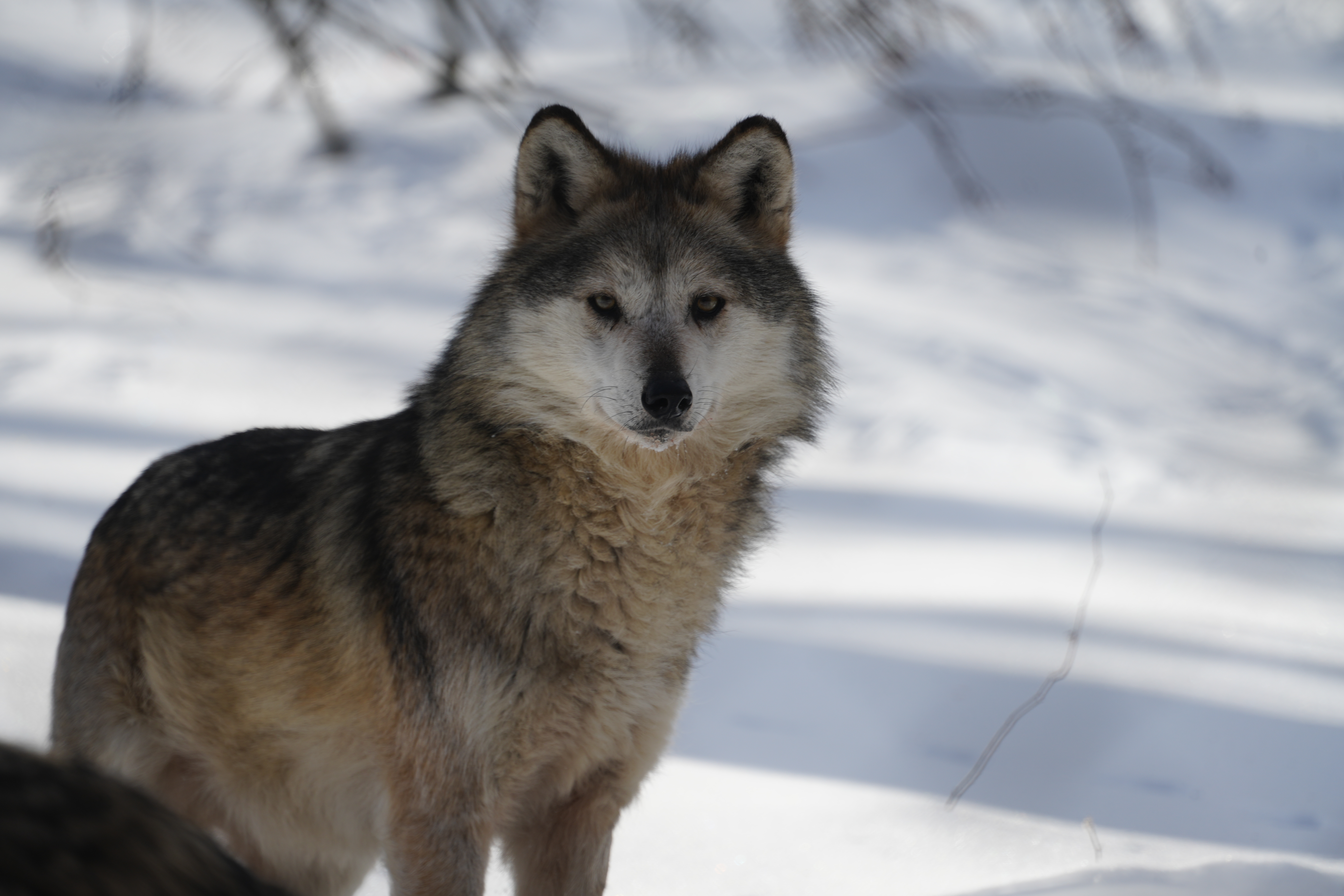
ALBUQUERQUE, N.M. – A newly revealed U.S. Fish and Wildlife Service document allows Catron County ranchers to kill any one endangered Mexican gray wolf who happens to be in the area of two grazing allotments near Quemado, New Mexico. The permit doesn’t identify which wolf the ranchers can shoot, nor does it specify livestock lost to wolves preceding this kill authorization. Several wolf families are in the area, including a likely pregnant, genetically valuable female wolf of the Elk Horn pack who was named Nora by the Endangered Wolf Center in Missouri before she was released into the Arizona wild as a pup in 2020. Nora is one of the 21% of genetically valuable captive-born pups known to have survived such releases without their birthparents. “The permit allows the permittees to kill any wolf they see on private or federal land, in retribution for alleged and undisclosed livestock losses. This…
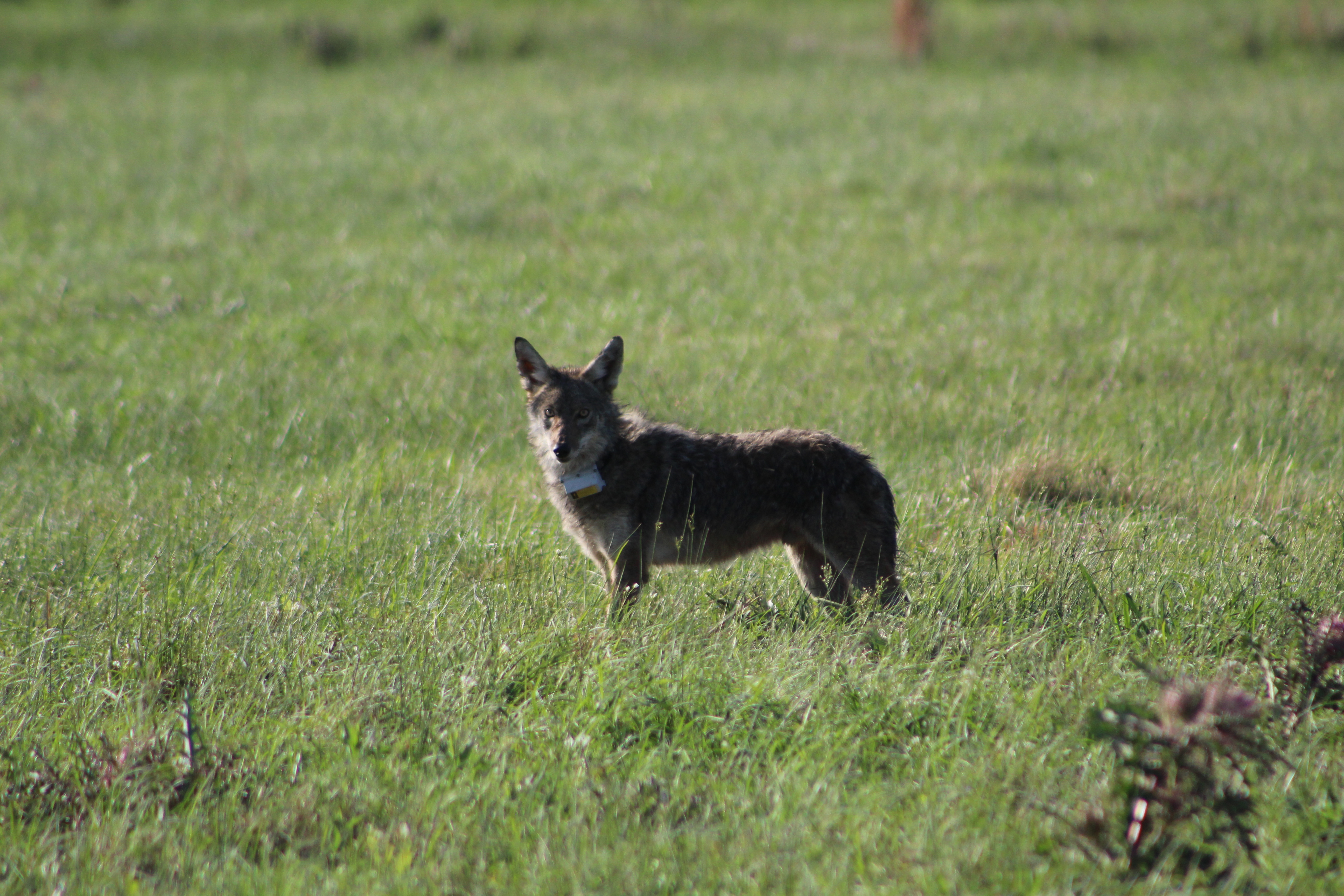
Distinct body form and high survival of coastal coyotes along the Texas-Louisiana border region allow coyotes harboring red wolf ancestry to persist decades after the red wolf’s extirpation from the region. South Salem, NY — A new study led by the Wolf Conservation Center Integrative Ecology and Coexistence Lab and published in Ecosphere reveals how red wolf ancestry has persisted for more than four decades after the red wolf was declared extirpated from the wild. The research shows that a combination of distinctive physical traits adapted to coastal wetlands and high survival has allowed coyotes to harbor, maintain, and pass on red wolf genetics. The study focused on hybrid-like coyotes referred to as “Gulf Coast canids,” living in coastal wetlands along the Gulf of Mexico that retained significant red wolf ancestry. Researchers found that these coastal coyotes form a stable, locally adapted wetland ecotype shaped by historical red wolf introgression…
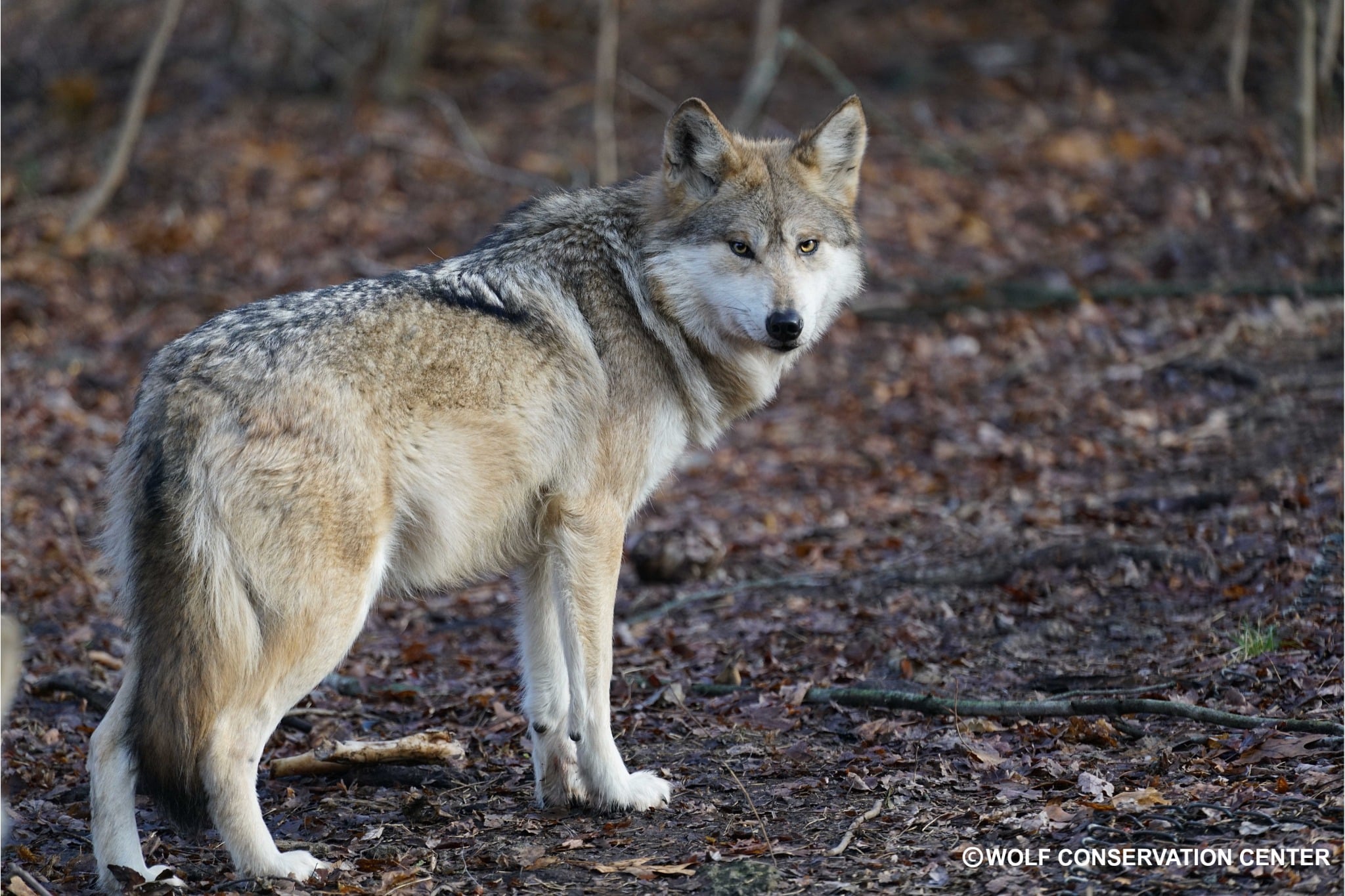
For immediate release: January 21, 2026 Albuquerque, N.M. – Taylor, the Mexican gray wolf made famous for establishing a home range last year near Mount Taylor, and returning there twice after having been removed despite a federal rule banning wolves north of Interstate 40, was found dead over the weekend on the interstate near Grants, New Mexico. “This is such an unfortunate outcome for Taylor, who showed us so much about how wolves choose their own habitats, regardless of the lines that humans draw on maps,” said Greta Anderson, deputy director of Western Watersheds Project. “But it’s also a positive development that the agencies were letting him stay outside of the artificial boundary for so long and giving him the opportunity to be wild on Mt. Taylor. His life firmly demonstrated the suitability of wolf habitat in these mountains, and we can only hope that he’s not the last wolf choosing…
This important post comes from the Society for Conservation Biology website. Three Scientific Societies Offer Their Expertise To Move Mexican Wolf Recovery Forward -6-20-12 On June 20th, the American Society…
September 8, 2009 – the U.S District Court of Montana agreed with plaintiffs that the U.S. Fish & Wildlife Service likely violated the Endangered Species Act in delisting wolves in…
NRDC and Twelve Groups fight decision to remove Northern Rocky Mountain wolves from Endangered Species List LIVINGSTON, Mont. (April 1, 2009) -The long fight over wolves in the Northern Rockies…
Environmentalists say the federal government’s current plan for re-establishing the Mexican gray wolf in the wild is outdated and legally invalid, and petitioned the U.S. Fish and Wildlife Service on…
- « Previous
- 1
- …
- 6
- 7
- 8