Integrative Ecology & Coexistence Lab
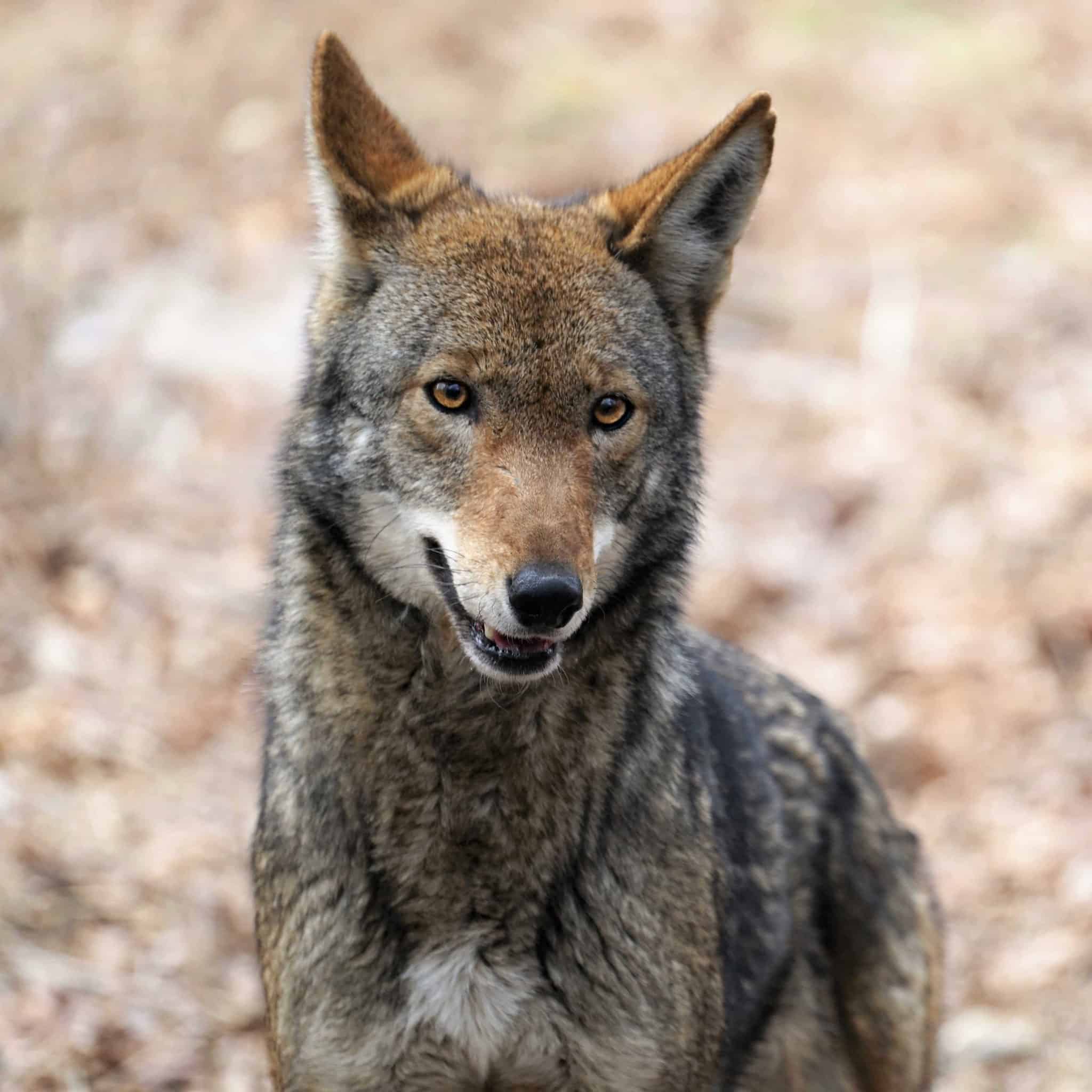
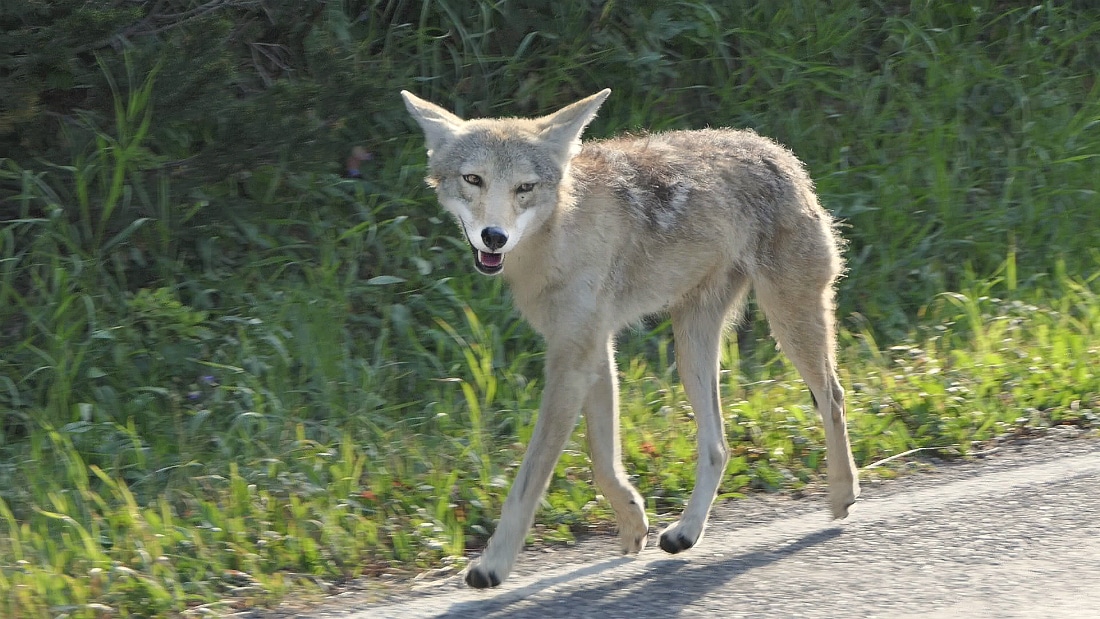
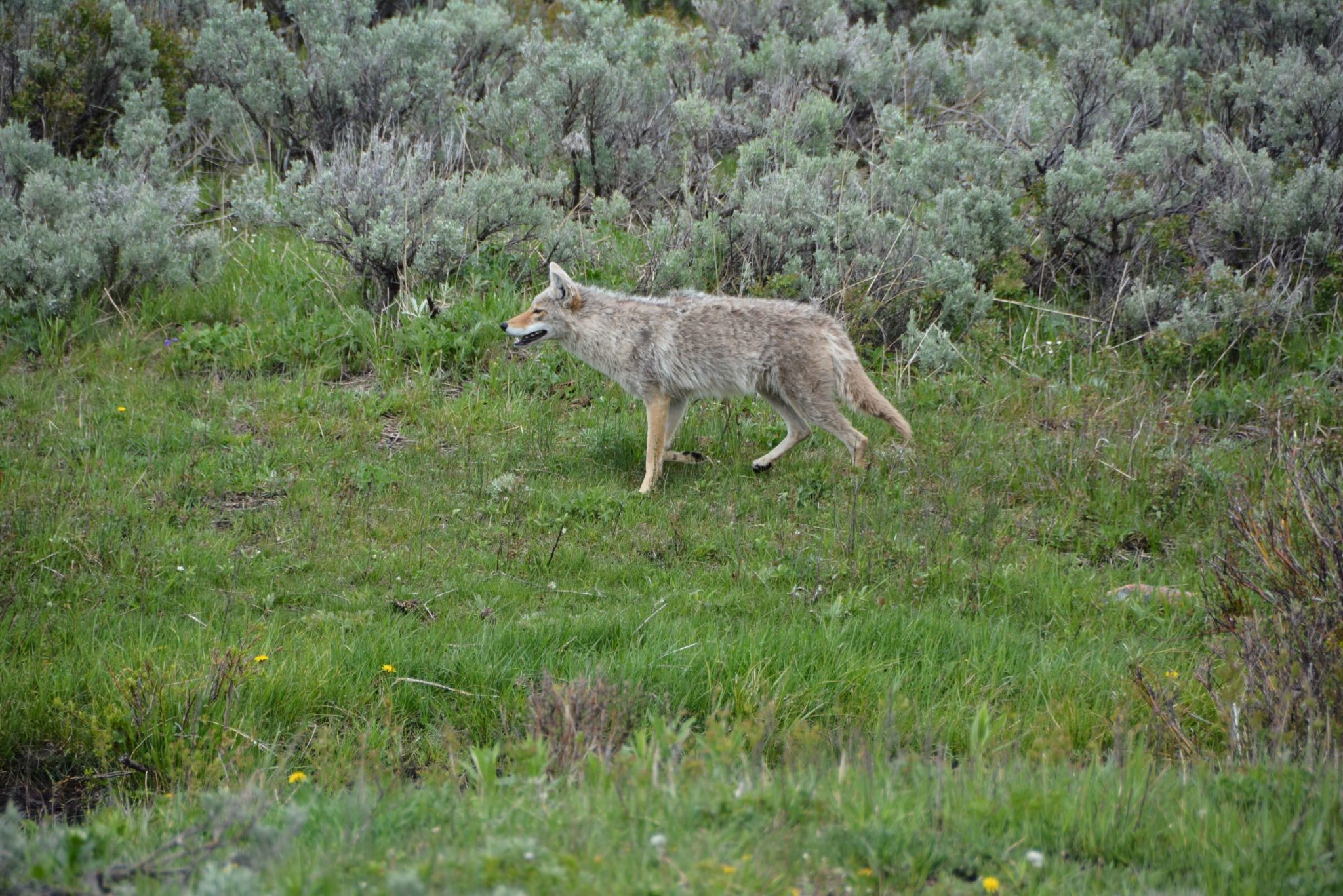
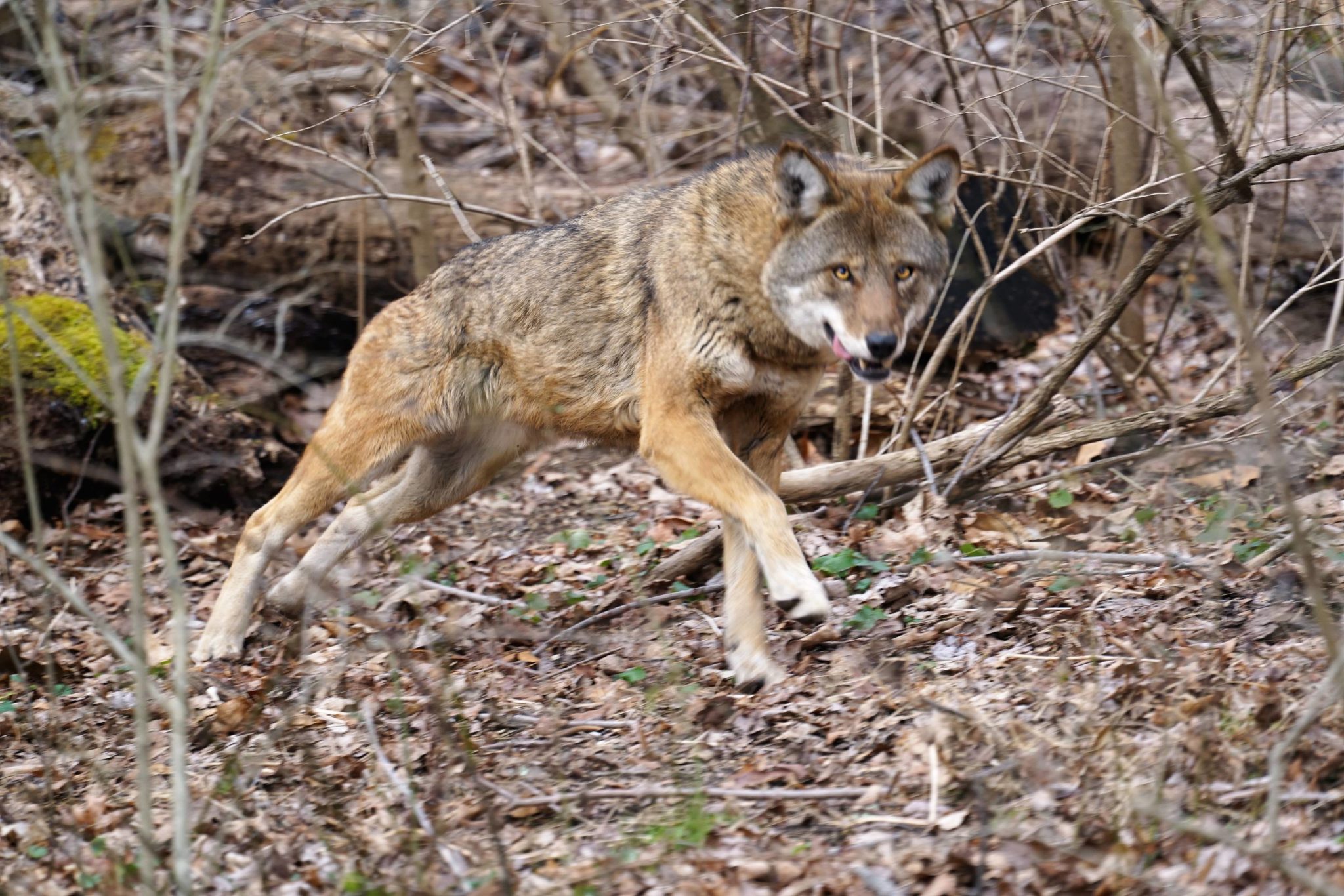
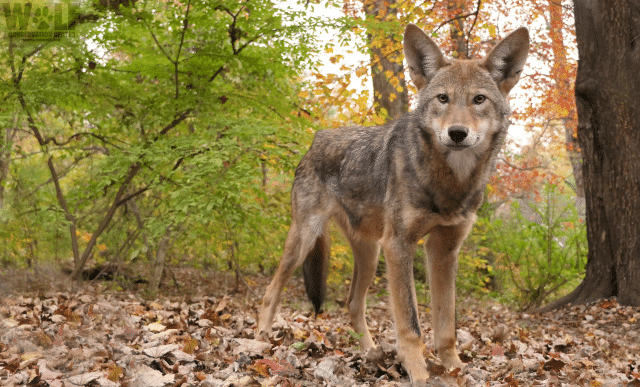
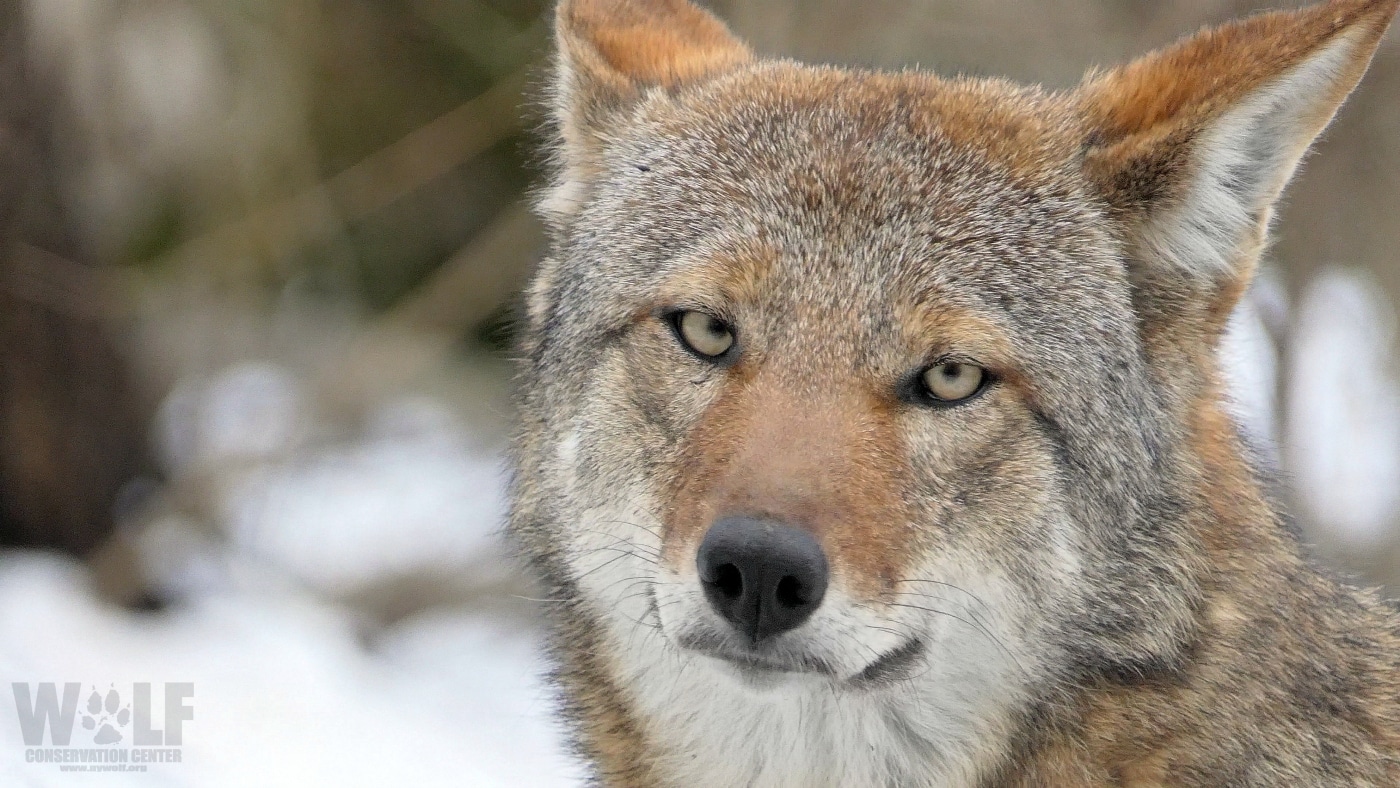
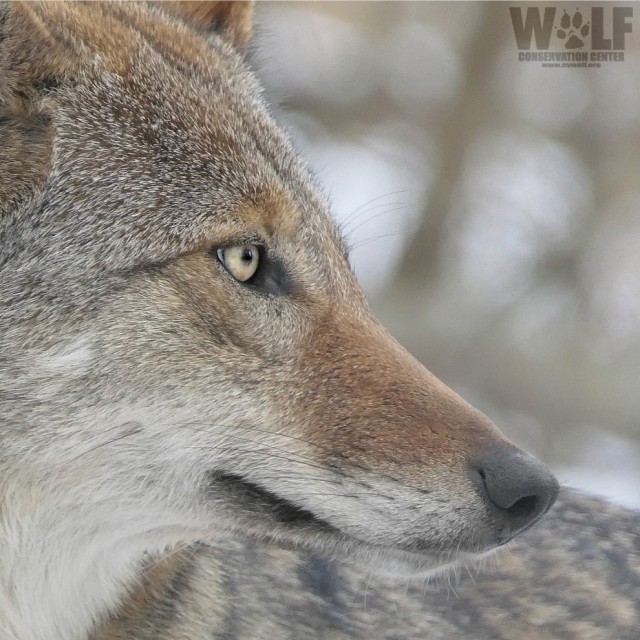
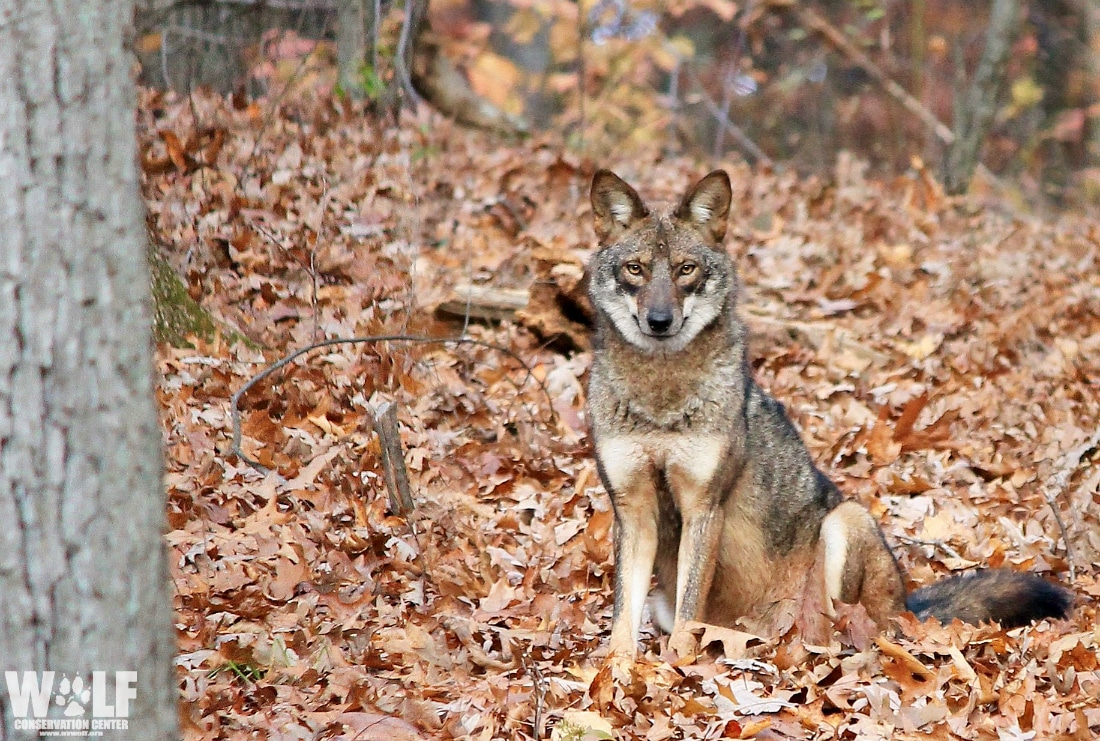
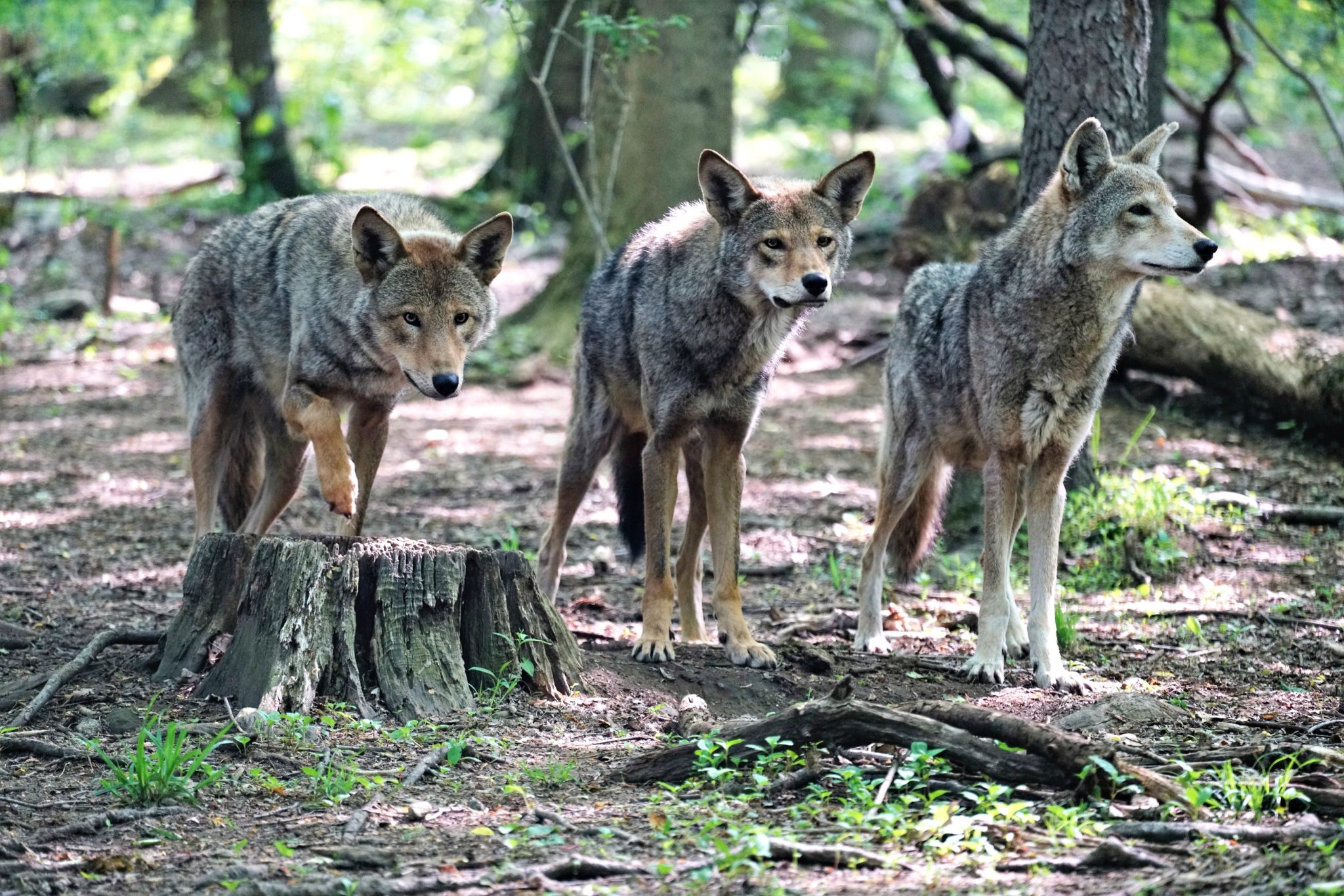
Led by Dr. Joey Hinton Ph.D. and WCC research associate Sunny Murphy, the WCC's Integrative Ecology and Coexistence Lab focuses on the ecology, management, and conservation of mammalian carnivores. Within this context, IECL develops high-quality research at WCC by conducting research on four broad topics: 1) mechanisms that govern the distributions and population dynamics of carnivore species, 2) addressing ecological and evolutionary questions at large spatial and temporal scales, 3) assessing strategies used for population recovery, and 4) the taxonomy and evolution of canids in North America. Scientists at IECL will draw on their experiences in these disciplines and use existing research collaborations with partners to develop innovative ecological research. These topics have both theoretical and applied relevance and are well-suited for influencing conservation policies and engaging the public in advocacy.
WCC-IECL: WHO WE ARE
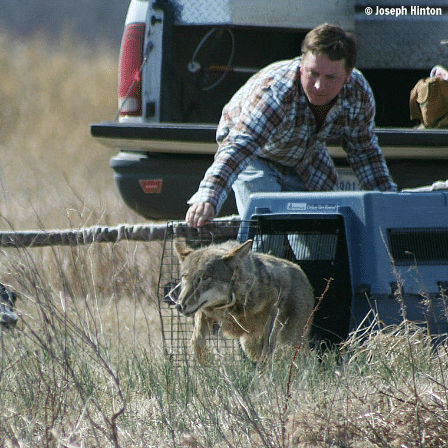
Dr. Joseph W. Hinton
Joey is WCC’s senior research scientist and earned his PhD from the University of Georgia. His research focuses on the conservation and management of canids, specifically red wolves and coyotes. Joey often conducts field research involving morphometrics, mark-recapture methods, radio-tracking techniques, and GPS/GIS applications to understand population dynamics and distribution. His ongoing projects include the ecology and conservation of in situ and ex situ red wolf populations, the ecology and management of coyotes, and assessing the ecology and taxonomy of Gulf Coast canids along the Gulf Coast of Texas and Louisiana.
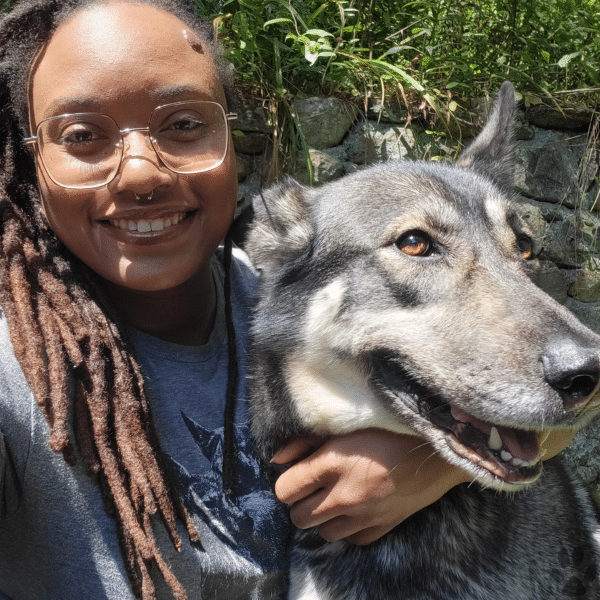
Jazmin "Sunny" Murphy
Joey is WCC’s senior research scientist and earned his PhD from the University of Georgia. His research focuses on the conservation and management of canids, specifically red wolves and coyotes. Joey often conducts field research involving morphometrics, mark-recapture methods, radio-tracking techniques, and GPS/GIS applications to understand population dynamics and distribution. His ongoing projects include the ecology and conservation of in situ and ex situ red wolf populations, the ecology and management of coyotes, and assessing the ecology and taxonomy of Gulf Coast canids along the Gulf Coast of Texas and Louisiana.
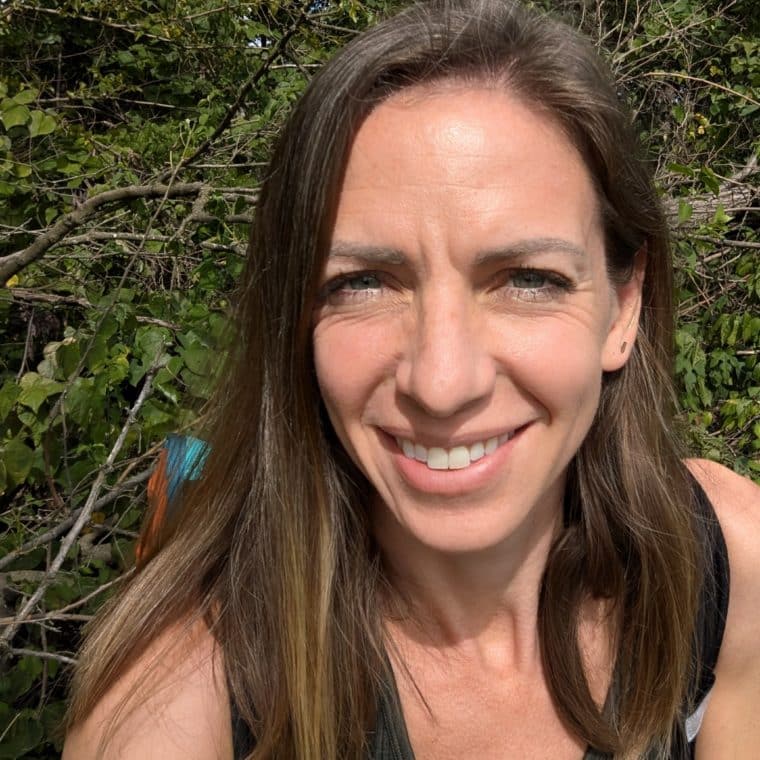
Colleen O'Donnell
Colleen O'Donnell, MSc is passionate about wildlife and is particularly interested in the science of reintroductions and how it can be used to stop extinctions and restore ecosystem function. Her background is in species conservation, sustainable and wildlife-friendly livelihoods, habitat restoration, community-based climate adaptation, and combating wildlife crime. She has worked on species and with communities in African forests, mountains, wetlands, and savannas and in the high-mountain peatlands of the Himalayas and Andes. When she's not working to save Red Wolves, you can find her belting out Moana songs with her 5 year old, planting native plants in her community, or watching out for foxes in her backyard. She is currently working on her PhD in the Environmental Science and Technology Department at the University of Maryland. She earned a bachelors in biology from the University of Notre Dame and a Masters in sustainable development from the University of London SOAS.
WCC-IECL: WHAT WE DO
RED WOLF REINTRODUCTION
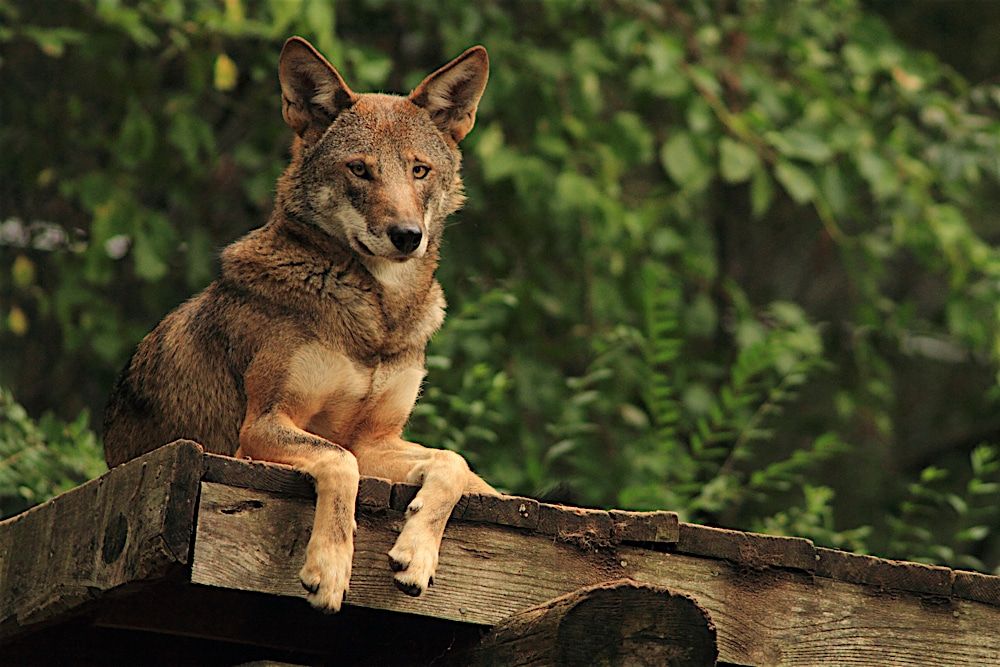
In partnership with USFWS and other collaborators, WCC-IECL leads several projects aimed at understanding the ecological conditions of lands East of the Mississippi River, as well as behavioral and reproductive dynamics of the red wolf, to further reintroduction efforts of the species.
RED WOLF SOCIAL-ECOLOGY
Understanding various communities’ perspectives regarding red wolves is essential to its conservation. WCC-IECL work investigates the historical, cultural, and political dynamics of red wolf extirpation and conservation, while also innovating solutions to public education and outreach concerning local wildlife.
CANID ECOLOGY & MANAGEMENT
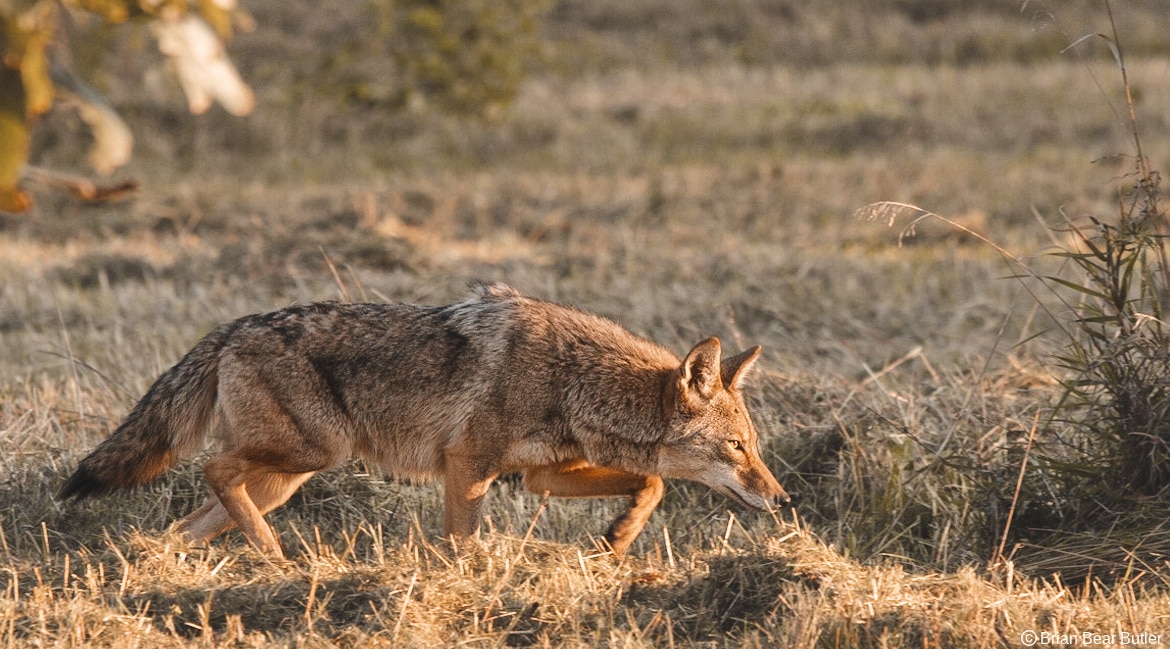
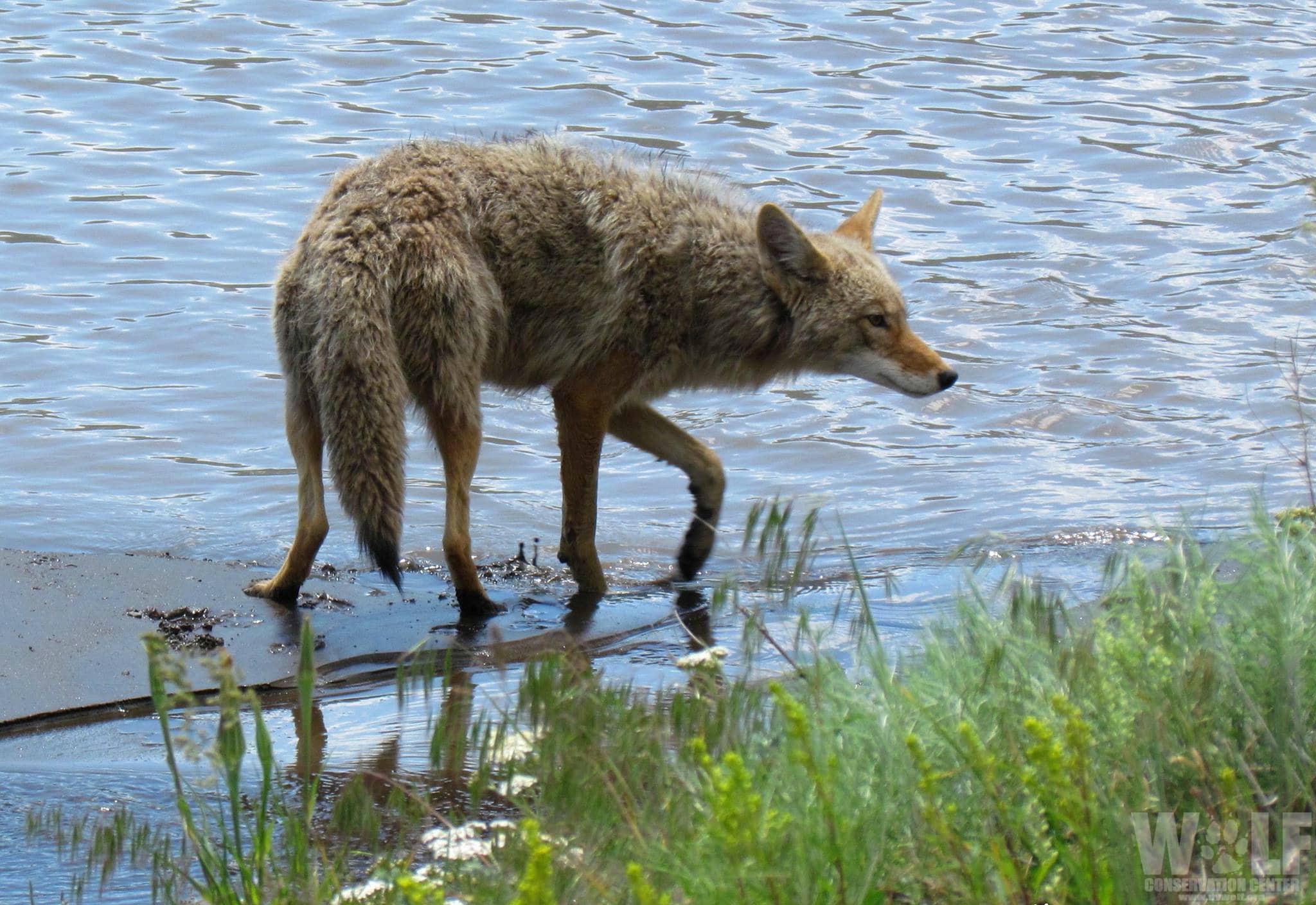
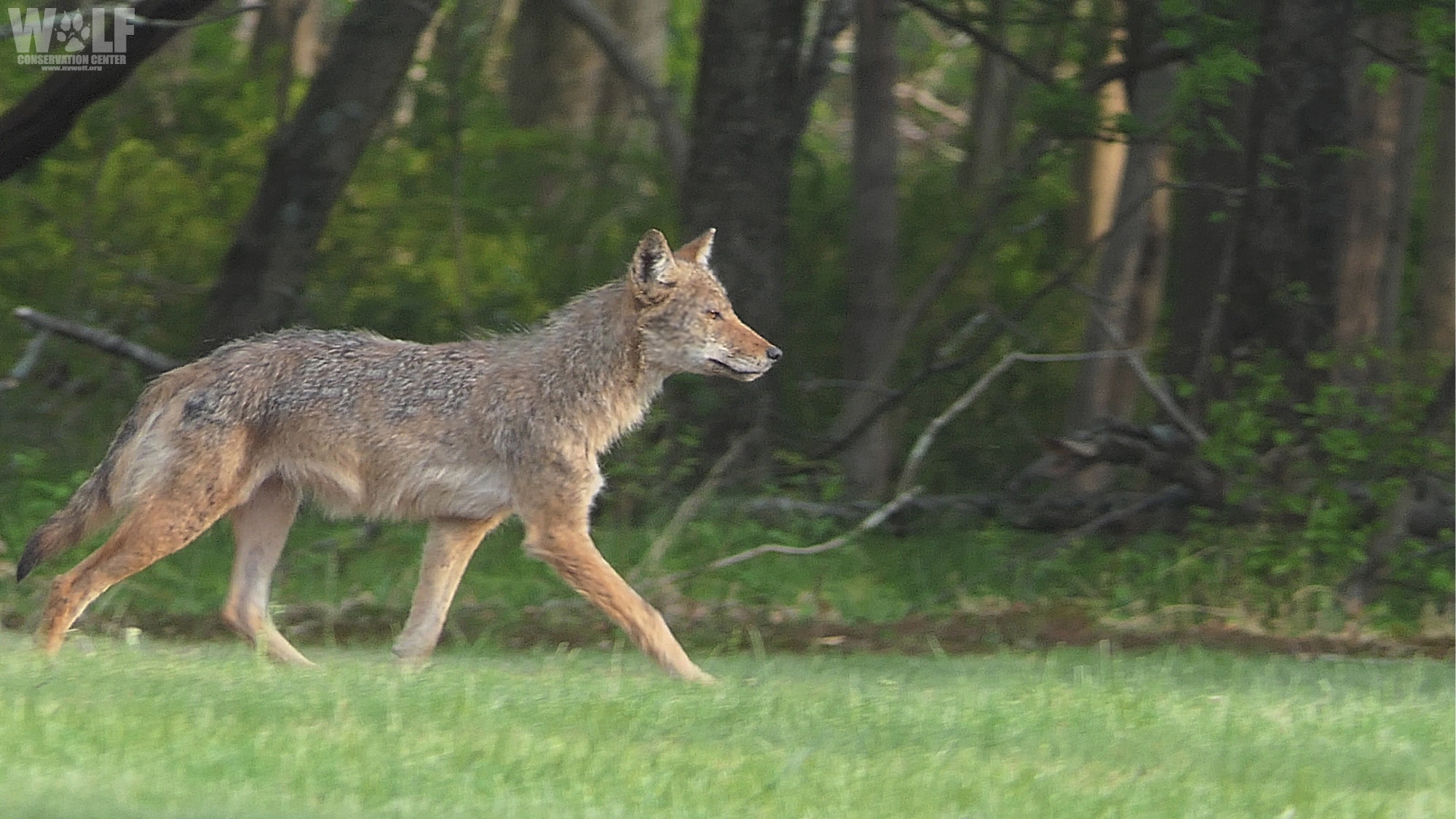
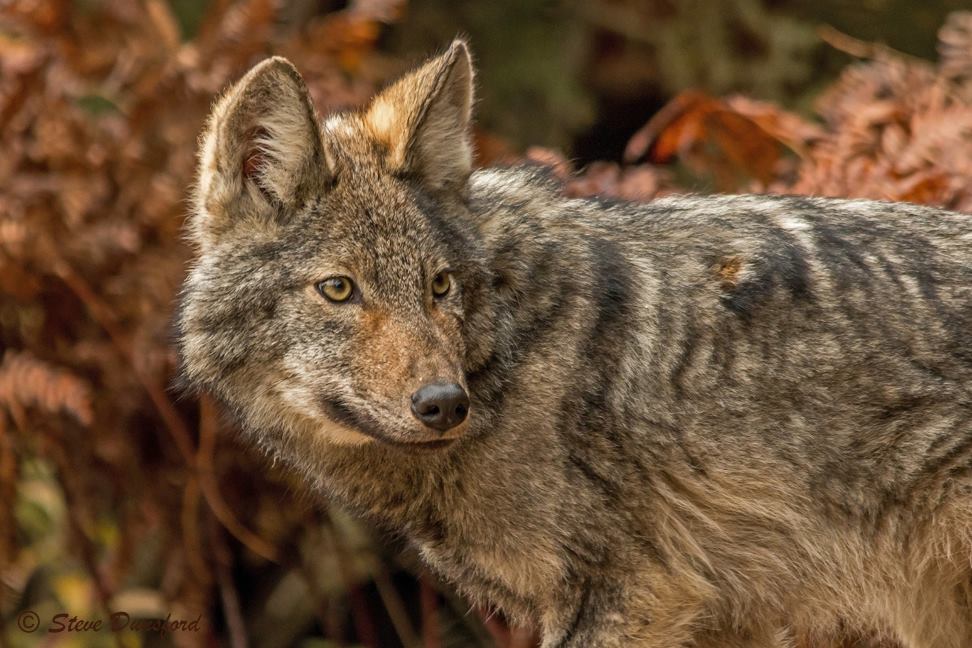
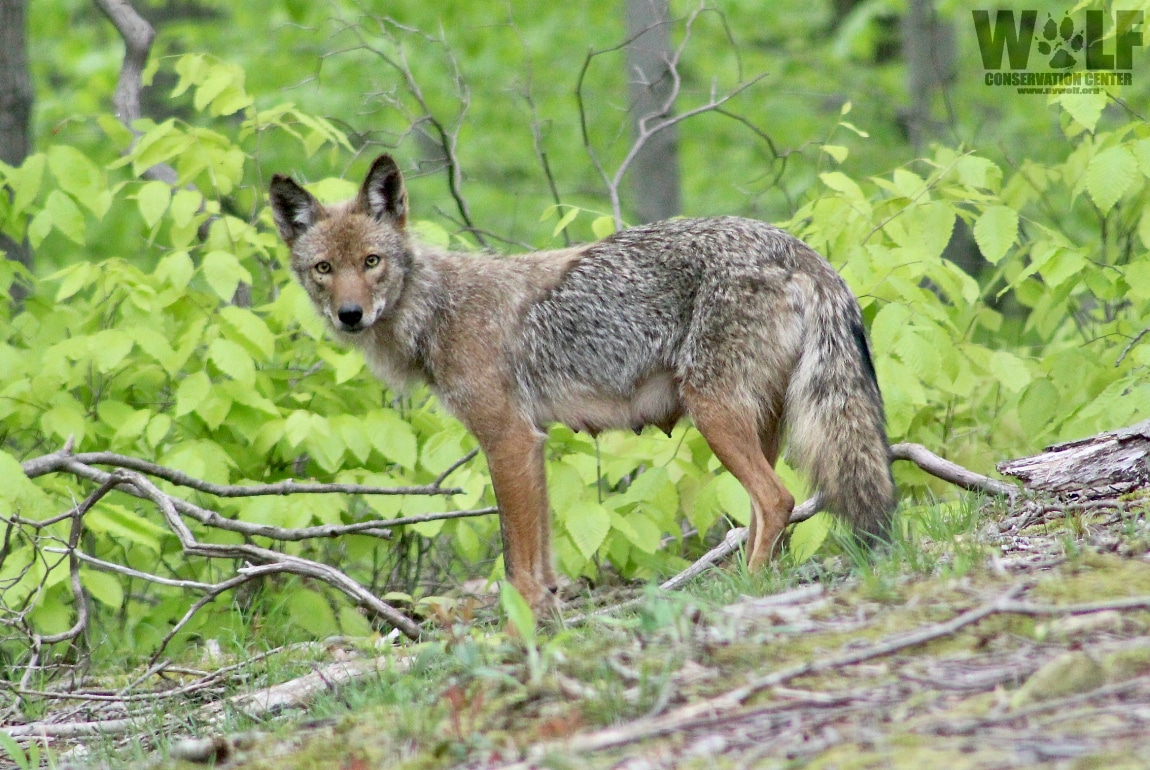
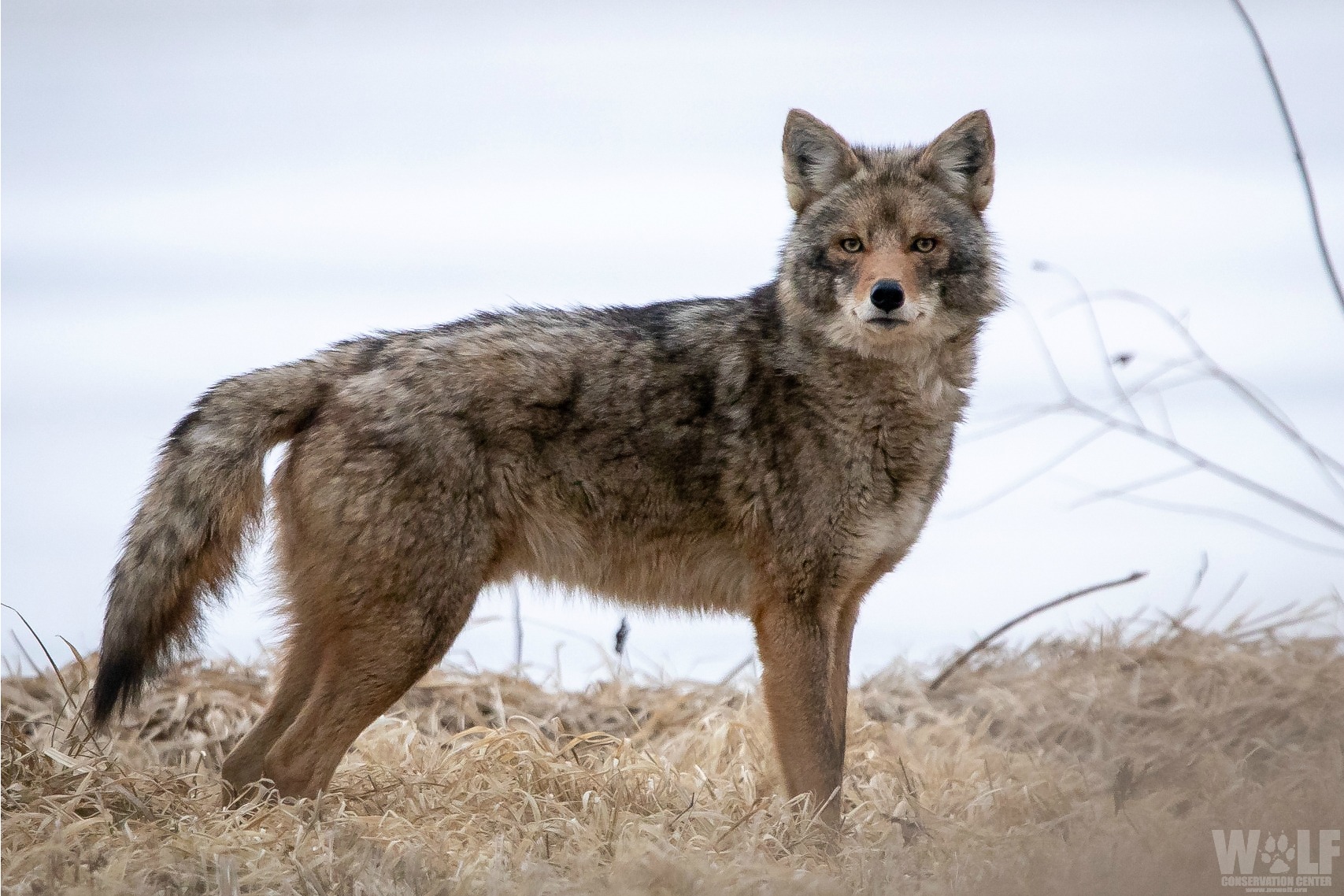
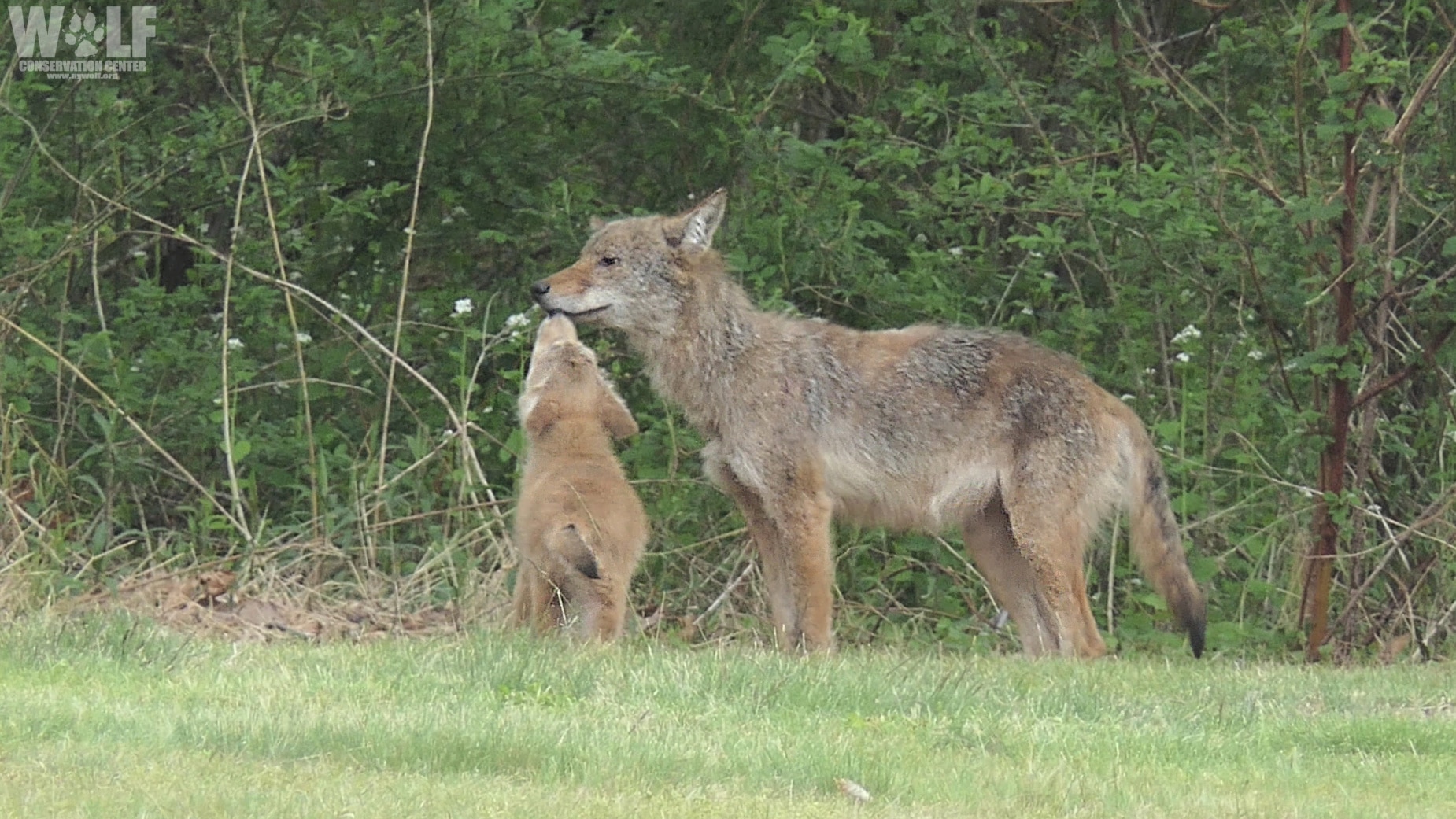
Coexistence with all native predators, such as coyotes, makes the world a safer place for wolves. Wildlife agencies across the country have a history of targeted, lethal control campaigns against these critical species. We are working to support more humane, coexistence-oriented management through our research on along the Gulf Coast and in the northeastern US.
CULTIVATING CANID COEXISTENCE
This project is gathering critical information about the northeastern coyote population to support coexistence. This is important for red wolves because coyotes & red wolves can trigger similar emotions in people. WCC is supporting the US Fish & Wildlife Service to identify more habitat for this species. This project is currently taking place in Louisiana and New York. We are planning to expand into Georgia & Connecticut.
GET INVOLVED!
The Wolf Conservation Center Integrative Ecology & Coexistence Lab (WCC-IECL) is supporting people-powered wildlife programs in the US. We focus on coyotes and the animals with which they have significant overlap, such as deer.
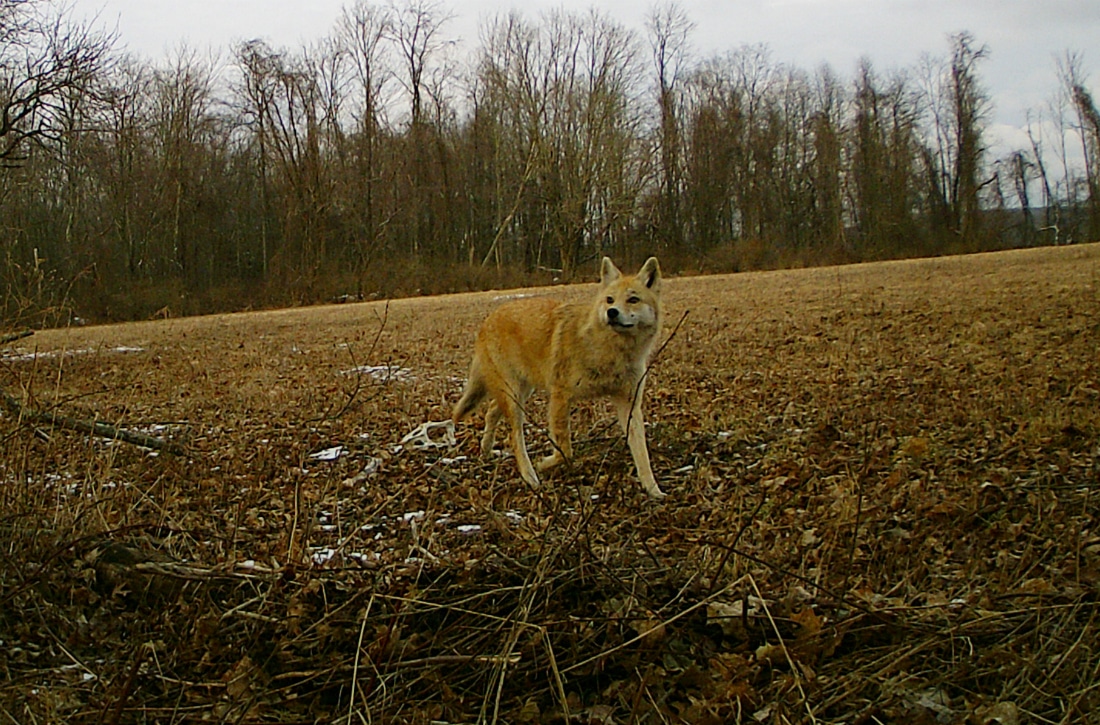
To do this, we need to know how many coyotes are in our study area. We also need to know where they live, their activity patterns, and what they eat. At the same time, we will get to know how people feel about their local coyotes to support coexistence.
Want to get involved? Learn about the coyotes in this study by helping out with our wildlife camera photos!

Publications